


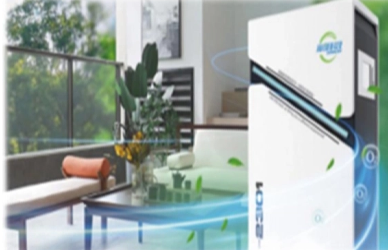
If you search for Indoor Environmental Protection System on Google, you’ll see the topic quickly goes beyond air purifiers. Indoor comfort and health are shaped by more than dust and PM2.5: CO₂ builds up in closed, occupied rooms, VOCs and formaldehyde can linger after renovations or new furniture, and humidity swings can make air feel stale or increase mold risk.
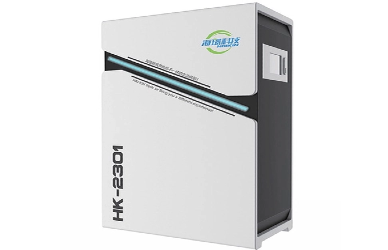
A modern Indoor Environmental Protection System is built to manage indoor conditions continuously—not only when you remember to switch something on. Indoor air and comfort shift hour by hour: CO₂ rises overnight in closed bedrooms, VOCs spike after cleaning, humidity climbs after showers, and outdoor pollution can seep in during traffic peaks.
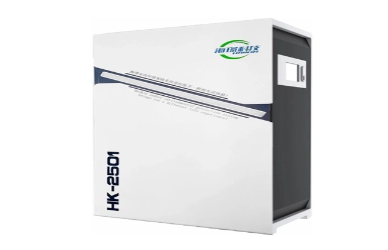
Many people treat allergies as an “outdoor problem,” yet symptoms often start or worsen indoors, where you spend most of your time. Pollen comes in on clothes and hair, dust collects in fabrics, pet dander spreads between rooms, and high humidity creates ideal conditions for dust mites and mold.
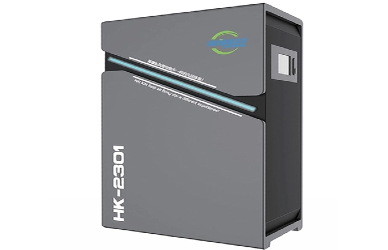
When people consider an Indoor Environmental Protection System, one of the most common worries is: Will it dry out the air? The concern is understandable. Many users associate “air cleaning” with strong airflow, constant ventilation, or HVAC changes that can affect comfort. In reality, an Indoor Environmental Protection System is not supposed to create humidity problems.

An Indoor Environmental Protection System is no longer a luxury reserved for specialized facilities. As modern buildings become more airtight and lifestyles more indoor-oriented, maintaining a healthy, balanced, and breathable indoor environment has become a critical requirement for residential, commercial, and professional spaces.


