


Views: 0 Author: Site Editor Publish Time: 2026-03-09 Origin: Site


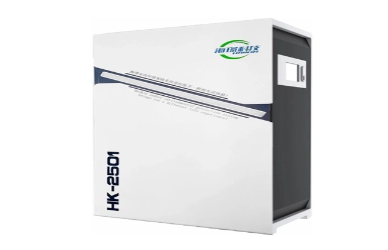
Many people treat allergies as an “outdoor problem,” yet symptoms often start or worsen indoors, where you spend most of your time. Pollen comes in on clothes and hair, dust collects in fabrics, pet dander spreads between rooms, and high humidity creates ideal conditions for dust mites and mold. If you feel fine outside but sneeze at home—or wake up congested with windows closed—your indoor environment is likely a factor. An Indoor Environmental Protection System can help by monitoring and controlling conditions across rooms, not just filtering air in one spot. For allergy sufferers, the goal isn’t only “cleaner air now,” but steady, lower exposure to triggers over days and weeks.
Most allergy triggers fall into a few categories. Pollen is seasonal and often enters through doors, windows, ventilation, and clothing. Dust mites thrive in bedding, carpets, and upholstered furniture—especially when humidity stays high. Pet dander (tiny skin flakes and proteins) is lightweight and can remain airborne or settle into fabrics. Mold spores can increase in damp zones such as bathrooms, basements, poorly ventilated corners, and areas with condensation.
An Indoor Environmental Protection System is designed to reduce exposure to these triggers by combining filtration (to remove particles) with humidity and ventilation control (to reduce conditions that promote mites and mold, and to keep air from becoming stale). Because allergens behave differently—some float, some settle, some grow—addressing them requires more than a fan and a filter.
A room can look clean and still be allergy-hostile. Allergens are often microscopic, and many remain trapped in textiles or circulate intermittently as people move around. Even “invisible” conditions like high indoor humidity can quietly raise dust mite activity. In sealed rooms, poor ventilation can make irritation feel worse by keeping pollutants concentrated.
This is why an Indoor Environmental Protection System typically emphasizes measurement. Monitoring particle levels, humidity trends, and ventilation indicators gives you a clearer picture of what’s happening when symptoms appear—overnight, after cleaning, during rainy weeks, or when pets spend time in certain rooms.
A standard air purifier is usually a single-room tool. It works best when doors are closed, airflow is controlled, and the room size matches the purifier’s capacity. But allergies rarely respect room boundaries: pollen may concentrate near entryways, pet dander may spread across living areas, and humidity issues may be worse in bathrooms or basements.
An Indoor Environmental Protection System is built for multi-zone thinking. It can manage priority rooms (like bedrooms) differently from high-traffic zones (like living rooms or hallways). This matters for allergy sufferers because the “best” strategy often depends on where you spend time and when symptoms occur. A whole-home or multi-room approach can reduce overall exposure, rather than cleaning one room while the rest of the home remains a trigger source.
The most important advantage is closed-loop control. A purifier typically runs on a manual setting or a simple particle sensor. An Indoor Environmental Protection System aims to monitor → decide → act → verify, which is critical for allergies because stability matters. Allergy relief often comes from reducing repeated exposures: keeping humidity in a safe range, preventing prolonged particle buildup, and managing ventilation during high pollen periods.
Closed-loop monitoring also supports smarter operation. Instead of running maximum airflow all day (which can be noisy and costly), the system can increase response during events—like pollen entry or dust disturbance—and then return to a quieter baseline while still maintaining control.
For allergy sufferers, the most direct win usually comes from particle control, since pollen, dander, and many spores are particulate. An Indoor Environmental Protection System may monitor particulate levels (commonly PM2.5/PM10) and adjust filtration intensity accordingly. While PM sensors don’t identify allergen types, they help detect “airborne load” changes—like when pollen enters, dust is stirred up, or outdoor smoke adds to irritation.
Filtration strategy matters as much as filtration presence. HEPA-grade concepts are relevant because many allergy triggers are fine particles. But performance also depends on airflow through the filter, how well the system seals (to prevent bypass leakage), and whether filtration is applied in the rooms that matter most—especially bedrooms at night.
Humidity is a major hidden factor in allergy severity. When indoor humidity stays high, dust mites and mold become more likely, and damp surfaces can encourage spore growth. When humidity is too low, airways can become irritated, making symptoms feel worse. An Indoor Environmental Protection System that monitors and stabilizes humidity can reduce allergen growth conditions and improve comfort.
Ventilation is also critical, but it must be managed intelligently. Fresh air can dilute indoor pollutants, but during high pollen periods, bringing outside air in without proper filtration can worsen symptoms. A good system strategy is seasonal: increase ventilation when outdoor conditions are favorable, and rely more on filtration and controlled air exchange when pollen levels are high.
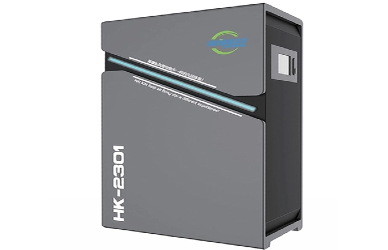
Some people notice relief quickly—especially when filtration reduces airborne particles in a bedroom. You may sleep better, wake up less congested, or sneeze less during peak pollen times. However, the more meaningful benefits often come over time as the system reduces repeated exposures and stabilizes indoor conditions. Humidity control may take days to show effect in damp seasons, and reducing allergen reservoirs in fabrics can take consistent management plus cleaning routines.
An Indoor Environmental Protection System tends to help most when it becomes part of a routine: stable nighttime settings, seasonal profiles, and consistent maintenance. Think of it as improving the “background conditions” your body is exposed to every day.
It’s important to keep expectations realistic. No system can eliminate allergies entirely if the main trigger is unavoidable or if sources are constantly reintroduced. Pet dander, for example, can persist in fabrics even with good filtration. Dust mites require humidity control plus bedding hygiene. Mold requires moisture control plus addressing leaks or damp materials.
An Indoor Environmental Protection System can reduce exposure, but it works best alongside smart habits: regular vacuuming (ideally with HEPA vacuum), washing bedding, controlling pet access to bedrooms, and reducing clutter where dust accumulates.
Choosing an Indoor Environmental Protection System for allergies starts with a few practical criteria. First, confirm that filtration capability matches your space: adequate airflow, strong sealing, and quality filter media appropriate for fine particles. Second, look at sensor coverage: particle monitoring is useful, and humidity monitoring is extremely valuable for long-term control. Third, evaluate usability: quiet modes for sleep, automation profiles, and visibility through dashboards or reports.
Maintenance is not optional—filters must be replaced, and systems must remain sealed and clean. Compare consumable costs and replacement frequency. For allergy sufferers, a system that is too expensive or inconvenient to maintain often ends up underused, reducing benefits.
Even the best Indoor Environmental Protection System performs poorly if installed or configured without strategy. Prioritize bedrooms first, because nighttime exposure strongly affects symptoms and recovery. Create schedules that support quiet operation during sleep while still controlling CO₂, humidity, and particles. If you have pets, consider stricter settings or additional attention in living areas and sleeping zones.
Seasonal profiles matter. During pollen season, limit unfiltered outdoor air, keep entryways clean, and increase filtration when people return home. During rainy or humid months, prioritize dehumidification and mold-risk reduction. A well-run system adapts to seasons rather than using one fixed setting year-round.
So, can an Indoor Environmental Protection System help allergy sufferers? In many homes and facilities, yes—especially when symptoms are triggered by indoor particles, humidity-driven allergens, or poorly managed ventilation. The biggest advantage is not just stronger filtration; it’s system-level control: monitoring, automation, and stability across the spaces you actually live in.
If your allergies are mild and limited to a single room, a well-chosen purifier may be enough. But if symptoms are persistent, seasonal peaks are severe, or your home has multi-room challenges like pets, humidity swings, or sealed-window living, an Indoor Environmental Protection System can deliver more consistent relief by reducing exposure day after day.
Yes. Seasonal allergies often benefit from particle control and smart ventilation strategies during pollen peaks, while perennial allergies (dust mites, pet dander, mold) benefit from steady filtration plus humidity stability and long-term exposure reduction.
Both matter. High airflow without effective filtration won’t capture allergens well, and excellent media with insufficient airflow won’t clean the room efficiently. For allergy relief, look for a balanced system: strong filtration with enough airflow to cycle room air consistently, especially in bedrooms.
Use staged control rather than constant maximum speed. Strong airflow can disturb settled dust in some setups, so gradual ramping, good airflow distribution, and regular cleaning help. Placement also matters—avoid directing strong jets at dusty textiles or floors.
The most common issues are delayed filter replacement, poor sealing that allows air to bypass filters, and dirty pre-filters that restrict airflow. Mishandling filters can release trapped dust, and neglected sensors can lead to weaker automation decisions. Consistent maintenance keeps allergy performance stable.


