


Views: 0 Author: Site Editor Publish Time: 2025-09-25 Origin: Site


In today’s fast-paced urban world, indoor air quality and environmental safety have become critical concerns. People spend the majority of their time indoors—at home, in offices, schools, or healthcare facilities—making the quality of indoor environments directly linked to health, productivity, and well-being. Indoor Environmental Protection Systems (IEPS) are specialized solutions designed to monitor, control, and improve indoor air and environmental conditions. These systems are at the forefront of creating cleaner, healthier spaces, offering both technological innovation and practical benefits for homes and businesses alike.
This article explores the key technologies behind indoor environmental protection systems, their benefits, applications, and why they are essential in modern living and working spaces.
An Indoor Environmental Protection System is a comprehensive solution that addresses various aspects of indoor environmental quality. These systems monitor and control factors such as air quality, temperature, humidity, particulate matter, volatile organic compounds (VOCs), and microbial contamination.
Unlike traditional ventilation or air conditioning systems, which primarily focus on temperature and airflow, IEPS integrate advanced technologies to actively detect and remove pollutants, manage airflow efficiently, and create optimal indoor conditions for human health and comfort.
Key functions of IEPS include:
Air purification and filtration
Humidity control
Temperature regulation
VOC and chemical monitoring
Microbial contamination reduction
By combining multiple functions into a single system, IEPS can transform any indoor environment into a safer, cleaner, and more comfortable space
Several advanced technologies are used in modern IEPS to ensure maximum effectiveness:
High-efficiency particulate air (HEPA) filters capture fine particles such as dust, pollen, and allergens, while activated carbon filters remove odors and chemical pollutants. Together, they significantly improve air quality and reduce respiratory risks.
UV-C light is effective in deactivating bacteria, viruses, and molds. Integrated UV-C systems can sterilize air and surfaces within HVAC ducts or enclosed spaces, helping prevent the spread of infectious diseases.
Electrostatic filters and negative ion generators attract and trap airborne particles, including smoke, dust, and fine aerosols. These technologies complement HEPA filtration and enhance indoor air cleanliness.
IEPS equipped with smart sensors can detect pollutants, humidity levels, temperature fluctuations, and VOC concentrations in real-time. Automated systems can adjust fan speeds, filtration intensity, and other parameters to maintain optimal indoor conditions.
Modern IEPS optimize airflow patterns to ensure fresh air distribution while minimizing energy consumption. Heat recovery ventilators and demand-controlled ventilation systems maintain comfort without compromising energy efficiency.
Implementing an Indoor Environmental Protection System (IEPS) offers a wide range of advantages for both residential and commercial spaces, addressing health, comfort, efficiency, and regulatory compliance.
Health Improvement
One of the most significant benefits of IEPS is the improvement of indoor air quality, which directly impacts human health. By effectively removing pollutants, allergens, dust, volatile organic compounds (VOCs), and airborne pathogens, IEPS reduce the risk of respiratory problems, allergic reactions, and communicable diseases. Cleaner air promotes overall well-being, improves energy levels, and supports immune system health. In workplaces, schools, and healthcare facilities, this translates into fewer sick days, better staff performance, and healthier students and patients.
Enhanced Productivity
Research consistently shows that high-quality indoor environments positively influence cognitive function, focus, and efficiency. Employees and students in spaces equipped with IEPS experience less mental fatigue and greater concentration, contributing to higher productivity. By reducing distractions caused by poor air quality, unpleasant odors, or discomfort, IEPS create optimal conditions for learning, working, and decision-making, making them a smart investment for offices, educational institutions, and corporate facilities.
Comfort and Well-Being
IEPS regulate temperature, humidity, and airflow to maintain a consistently comfortable indoor climate throughout the year. Balanced humidity levels prevent dry air-related issues, such as irritation of the skin and respiratory tract, while also inhibiting mold growth and material degradation. This creates a more comfortable and pleasant environment, enhancing occupants’ overall satisfaction and contributing to the longevity of buildings and furnishings.
Energy Efficiency
Modern IEPS are designed to operate intelligently, integrating smart ventilation and climate control to maintain optimal indoor conditions while minimizing energy consumption. By adjusting airflow, heating, and cooling in real-time according to occupancy and air quality levels, these systems reduce unnecessary energy usage, lowering utility costs and environmental impact.
Compliance with Standards
Many countries have established strict indoor air quality regulations for public spaces, particularly in healthcare, schools, and commercial buildings. IEPS help facilities meet or exceed these standards, ensuring safe, compliant, and legally sound indoor environments.
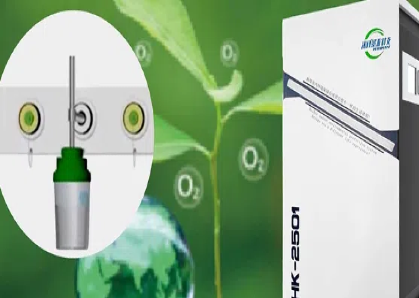
IEPS are versatile and applicable across a wide range of environments:
Residential Spaces: Homes benefit from clean air, reduced allergens, and improved comfort, particularly for families with children, elderly members, or individuals with respiratory conditions.
Offices and Workplaces: Ensures a healthier workforce, improves employee satisfaction, and enhances productivity.
Healthcare Facilities: Hospitals and clinics require stringent control over airborne pathogens, dust, and chemical contaminants. IEPS help maintain sterile and safe environments.
Schools and Educational Institutions: Protects students and staff from pollutants and allergens, supporting better health and learning outcomes.
Industrial and Laboratory Settings: Controls chemical exposure, dust, and airborne particulates, ensuring compliance with safety standards.
The field of indoor environmental protection continues to evolve with technological advancements:
Integration with IoT and Smart Homes: IEPS can be integrated with smart home systems, allowing remote monitoring and control via mobile devices or cloud platforms.
AI-Driven Air Quality Management: Artificial intelligence can predict air quality fluctuations, optimize filtration cycles, and provide actionable insights for preventive maintenance.
Energy-Saving Innovations: Next-generation systems focus on reducing energy consumption while maintaining maximum air quality and comfort.
Sustainable Materials: Eco-friendly filters and materials reduce environmental impact while maintaining performance.
These trends make IEPS increasingly intelligent, efficient, and sustainable, aligning with the goals of modern building design and smart city initiatives.
Selecting an IEPS requires careful consideration of several factors:
Space Size and Layout: Systems must be appropriately sized for the area they will serve.
Pollutant Types: Determine whether the primary concern is particulate matter, VOCs, microbial contamination, or a combination.
Energy Efficiency: Look for systems with energy-saving features to reduce operational costs.
Maintenance Requirements: Choose systems that are easy to maintain and service.
Integration Capabilities: Modern buildings benefit from systems that can integrate with smart sensors, IoT, and building management systems.
By evaluating these factors, homeowners and facility managers can ensure optimal performance and long-term benefits.
Indoor Environmental Protection Systems are essential for creating cleaner, healthier, and more comfortable spaces. From advanced filtration and UV sterilization to smart sensors and energy-efficient ventilation, these systems provide comprehensive solutions to air quality challenges. Implementing IEPS not only promotes health and well-being but also enhances productivity, comfort, and sustainability in residential, commercial, and industrial settings.
For those looking to explore advanced indoor environmental protection technologies and solutions, Jiangsu Haikin Technology Co., Ltd. offers high-quality IEPS products and expertise. Their solutions are designed to help homes, offices, and industrial facilities maintain superior indoor air quality, creating safer and healthier environments for everyone.


