


Views: 0 Author: Site Editor Publish Time: 2025-09-29 Origin: Site


Energy efficiency has become a top priority for manufacturing industries worldwide. Rising energy costs, stricter environmental regulations, and the global push toward sustainability make it essential for manufacturers to adopt technologies that optimize energy usage. Among the many tools available, flow meters play a crucial role in helping facilities monitor, control, and improve energy efficiency across production processes. By measuring the movement of liquids, gases, or steam in real-time, flow meters enable manufacturers to identify inefficiencies, reduce waste, and ensure that equipment operates under optimal conditions.
Flow meters are devices designed to measure the flow rate of liquids, gases, or steam in pipelines. Accurate flow measurement is critical in industrial environments where energy consumption, material use, and process performance are closely linked. Various types of flow meters cater to different applications:
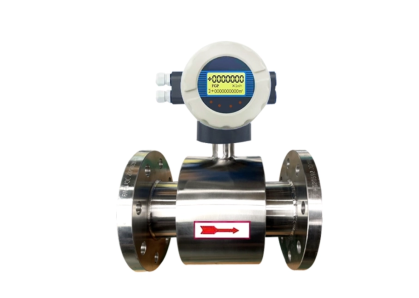
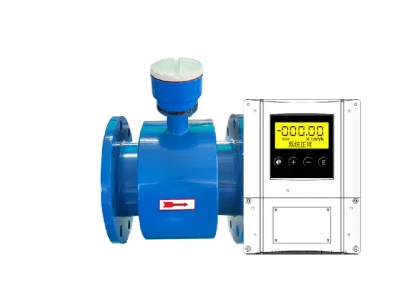
Electromagnetic flow meters: Ideal for conductive liquids, such as water or chemical solutions, providing precise measurement without moving parts.
Ultrasonic flow meters: Non-intrusive devices suitable for large pipes and a variety of liquid types, which minimize maintenance requirements.
Coriolis flow meters: Measure mass flow with high precision, making them invaluable for chemical, pharmaceutical, and food industries.
Turbine flow meters: Mechanical meters suitable for clean fluids, where a rotor can accurately record flow rates.
By delivering accurate and reliable data, these devices allow manufacturers to optimize processes, prevent overuse of materials, and improve overall energy efficiency.
Flow meters play a pivotal role in enhancing energy efficiency across manufacturing operations. By providing precise, real-time measurement of fluids, gases, and steam, these devices allow plant operators to make informed decisions that reduce waste, optimize equipment performance, and support sustainable practices. The benefits of flow meters in energy management are multi-faceted and can be observed in several critical areas.
Pumps and motors are among the most energy-intensive components in industrial facilities, often accounting for a substantial portion of overall electricity consumption. When operating outside their optimal flow range, these machines can consume excessive energy, suffer from premature wear, and require frequent maintenance. Flow meters provide accurate, continuous feedback on the movement of fluids, enabling operators to dynamically adjust pump speed, system pressure, and flow rates to match actual process demands.
For instance, in a paper mill, water circulation pumps must maintain precise flow rates to ensure uniform paper quality while minimizing energy use. By integrating flow meters with automated control systems, operators can avoid over-pumping or under-pumping scenarios. Over-pumping wastes energy and strains equipment, while under-pumping can cause process inefficiencies and longer production cycles. Using flow meters to regulate pump operation can reduce energy consumption by as much as 15%, while also extending the service life of pumps and minimizing unscheduled downtime. In addition, continuous monitoring allows early detection of mechanical issues, preventing costly failures that could further impact energy usage.
Manufacturing processes involving steam, hot water, or heated chemical solutions are particularly susceptible to energy losses caused by uneven flow or undetected leaks. Flow meters enable precise monitoring of these high-temperature fluids, providing early warning of bottlenecks, pressure imbalances, or system leaks. By addressing these issues promptly, plants can ensure that thermal energy is efficiently distributed, reducing unnecessary energy consumption.
In chemical plants, for example, reactors require evenly distributed steam to maintain consistent temperatures for chemical reactions. Without accurate flow measurement, uneven flow may result in overheated or underheated zones, leading to energy wastage and extended processing times. By employing flow meters, engineers can maintain optimal flow rates, ensuring that heat is effectively transferred throughout the system. This not only reduces energy usage but also improves process efficiency and helps minimize carbon emissions, contributing to a greener manufacturing operation.
Flow meters are also essential for precise process control in industries where accurate dosing, mixing, or chemical reactions are critical. Variations in flow rates can lead to the overuse of raw materials, excess energy consumption, and inconsistent product quality. Flow meters provide continuous data, allowing operators to maintain stable and consistent flow conditions.
For example, in food processing, the accurate measurement of water, oils, or liquid ingredients is crucial for mixing and cooking processes. Proper flow control ensures that heaters, coolers, and pumps operate at optimal levels, avoiding over-processing or wasted energy. Similarly, in pharmaceutical manufacturing, precise flow measurement is critical for dosing active ingredients, where deviations can result in wasted energy during mixing and heating. By ensuring consistent flow, manufacturers not only reduce energy costs but also minimize material waste, lower production expenses, and enhance overall operational sustainability.
Compressed air and gas systems, though often overlooked, are among the most significant energy drains in industrial facilities. Leaks, pressure fluctuations, or uncontrolled consumption can drive energy costs higher than necessary. Flow meters installed on air or gas lines provide real-time visibility into consumption patterns, enabling operators to quickly identify inefficiencies or leaks and take corrective action.
The rise of Industry 4.0 has transformed how flow meters are used in modern manufacturing. IoT-enabled flow meters can transmit real-time data to central monitoring systems, facilitating predictive maintenance, energy audits, and automated process adjustments.
In a chemical plant, ultrasonic and electromagnetic flow meters might be used together to monitor multiple pipelines. Advanced analytics software can analyze flow patterns, detect inefficiencies, and automatically adjust flow rates for optimal energy use without compromising output. Such integration helps manufacturers reduce operational costs, extend equipment lifespan, and improve production consistency.
Beyond cost savings, flow meters contribute to environmental sustainability:
Reduced Carbon Footprint: Optimized energy usage decreases emissions associated with electricity generation.
Resource Conservation: Precise monitoring prevents overuse of water, chemicals, and fuels.
Regulatory Compliance: Accurate measurement supports adherence to energy efficiency standards and environmental regulations.
Industries such as pharmaceuticals, food processing, and chemicals benefit not only from energy savings but also from improved product quality and operational reliability. By reducing waste and maintaining consistent production conditions, flow meters play a key role in sustainable manufacturing practices.
Choosing the appropriate flow meter is critical for maximizing energy savings. Consider these factors:
Fluid Type: Conductive liquids, non-conductive fluids, gases, or steam.
Flow Range: Ensure the meter can accurately measure both low and high flow rates.
Accuracy Requirements: High-precision meters are necessary where minor deviations impact energy consumption.
Maintenance Needs: Electromagnetic and ultrasonic meters typically require less maintenance than mechanical meters, reducing downtime.
Partnering with experienced suppliers ensures correct installation and integration into energy management systems, maximizing the efficiency benefits of flow measurement.
Flow meters are indispensable tools for manufacturers aiming to optimize energy efficiency. By delivering accurate, real-time measurement of fluids, gases, and steam, these devices allow precise process control, reduce energy waste, and support sustainable production. Integrating flow meters into smart manufacturing systems further enhances their value, providing both economic and environmental benefits.
For manufacturers seeking to improve operational efficiency while maintaining sustainable practices, reliable flow meter solutions are essential. To explore advanced flow meters and discover how they can optimize energy use in your facility, visit Jiangsu Haikin Technology Co., Ltd.. Their expertise in high-quality flow measurement solutions makes them a trusted partner for industries striving for precision, reliability, and energy optimization.


