


Views: 0 Author: Site Editor Publish Time: 2025-10-13 Origin: Site


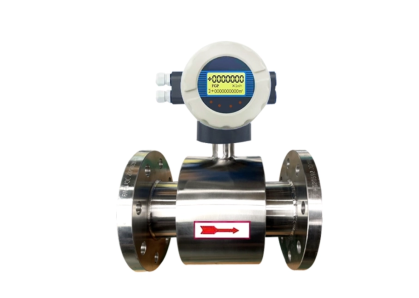
In the modern industrial landscape, the ability to accurately measure and monitor fluid flow is critical for efficiency and safety. A flow meter is an essential tool in this regard, offering precise data that can be used to optimize processes and ensure regulatory compliance. However, the true potential of a flow meter is unlocked when it is connected to a computer, allowing for comprehensive data logging and analysis. This article explores the various methods and technologies involved in connecting a flow meter to a computer, focusing on the benefits and challenges of digital flow meter data logging.
Flow meters are devices used to measure the flow rate of liquids or gases in a system. They are widely used in industries such as water management, oil and gas, chemical processing, and food and beverage production. The accuracy and reliability of flow meters are crucial for maintaining process efficiency and product quality. Different types of flow meters, such as electromagnetic, ultrasonic, and turbine flow meters, offer various advantages and are selected based on the specific requirements of the application.
There are several types of flow meters, each suited for different applications and fluid types. Electromagnetic flow meters, for example, are ideal for measuring conductive liquids and are commonly used in water treatment facilities. Ultrasonic flow meters, on the other hand, use sound waves to measure flow and are suitable for a wide range of fluids, including those that are non-conductive. Turbine flow meters are known for their high accuracy and are often used in oil and gas applications. Understanding the specific characteristics and advantages of each type of flow meter is essential for selecting the right device for a given application.
Connecting a flow meter to a computer is a critical step in modernizing industrial processes. This connection allows for real-time monitoring, data logging, and advanced analytics, enabling businesses to make informed decisions based on accurate flow data. There are several methods for establishing a flow meter computer connection, each with its own set of advantages and challenges.
One of the most common methods for connecting a flow meter to a computer is through a USB or serial interface. This method is straightforward and cost-effective, making it a popular choice for many industries. A flow meter USB/serial interface provides a direct connection between the flow meter and the computer, allowing for seamless data transfer and real-time monitoring. However, this method may require additional hardware, such as converters or adapters, to ensure compatibility between the flow meter and the computer.
Wireless communication is another option for connecting flow meters to computers. This method eliminates the need for physical cables, offering greater flexibility and ease of installation. Wireless communication technologies, such as Bluetooth and Wi-Fi, enable remote monitoring and data logging, making it easier to manage flow meters in hard-to-reach locations. However, wireless communication may be susceptible to interference and requires careful consideration of security protocols to protect sensitive data.
Digital flow meter data logging is a powerful tool for enhancing the functionality of flow meters. By recording flow data over time, businesses can analyze trends, identify anomalies, and optimize processes for improved efficiency and cost savings. Digital data logging also facilitates compliance with industry regulations by providing a detailed record of flow measurements.
The benefits of digital flow meter data logging are numerous. By capturing and storing flow data, businesses can gain valuable insights into their operations, leading to improved decision-making and process optimization. Data logging also enhances traceability and accountability, as it provides a comprehensive record of flow measurements that can be used for auditing and regulatory compliance. Additionally, data logging enables predictive maintenance by identifying potential issues before they lead to costly downtime.
While digital flow meter data logging offers significant advantages, it also presents certain challenges. One of the primary considerations is data storage, as large volumes of flow data can quickly accumulate, requiring robust storage solutions. Additionally, businesses must ensure that their data logging systems are secure and protected from unauthorized access. Finally, integrating data logging systems with existing IT infrastructure can be complex and may require specialized expertise.
In conclusion, the ability to connect a flow meter to a computer and implement digital data logging is a game-changer for many industries. By leveraging these technologies, businesses can enhance their operational efficiency, ensure regulatory compliance, and gain valuable insights into their processes. Whether through a flow meter computer connection using a USB/serial interface or wireless communication, the benefits of integrating flow meters with digital systems are clear. As technology continues to evolve, the potential for further advancements in flow measurement and data analysis is vast, promising even greater efficiencies and innovations in the future.


