


Views: 0 Author: Site Editor Publish Time: 2025-10-20 Origin: Site


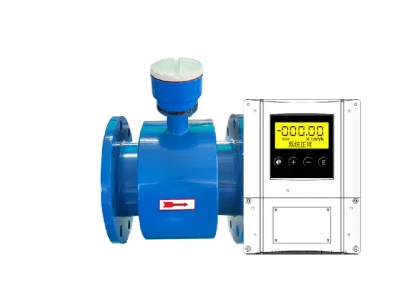
Calibrating a flow meter is a critical process in ensuring accurate fluid measurement across various industries. The precision of flow meters is vital for applications ranging from water distribution to chemical processing, where even minor inaccuracies can lead to significant operational inefficiencies or safety hazards. This article delves into the intricacies of flow meter calibration, exploring the procedures, standards, and testing methods that ensure optimal performance and reliability.
Flow meter calibration is the process of comparing the measurements of a flow meter against a standard or known measurement to determine its accuracy. This procedure is essential for maintaining the integrity of the measurement system and ensuring that the flow meter provides reliable data. Calibration involves adjusting the flow meter to align its readings with the standard, thus minimizing errors and improving measurement precision.
Calibration is crucial for several reasons. Firstly, it ensures compliance with industry standards and regulations, which often mandate specific accuracy levels for flow measurements. Secondly, it enhances process efficiency by providing accurate data that can be used to optimize operations. Lastly, it helps in maintaining safety by preventing measurement errors that could lead to hazardous situations, especially in industries dealing with volatile substances.
There are various types of flow meters, each with unique calibration requirements. Common types include differential pressure flow meters, positive displacement flow meters, turbine flow meters, and electromagnetic flow meters. Each type operates on different principles and requires specific calibration techniques to ensure accuracy. Understanding the type of flow meter in use is the first step in developing an effective calibration strategy.
The flow meter calibration procedure involves several steps designed to ensure that the flow meter provides accurate and reliable measurements. These steps include preparation, baseline measurement, adjustment, and verification.
Preparation is a critical step in the calibration process. It involves selecting the appropriate calibration standard, ensuring that the flow meter is clean and free from obstructions, and setting up the necessary equipment. The calibration environment should be stable, with minimal temperature and pressure fluctuations, to avoid introducing errors into the calibration process.
Baseline measurement involves recording the flow meter's readings under controlled conditions and comparing them to the standard. This step helps identify any discrepancies between the flow meter's output and the expected values. The baseline measurement provides a reference point for subsequent adjustments and ensures that any changes made during calibration are based on accurate data.
Adjustment is the process of modifying the flow meter's settings to align its readings with the calibration standard. This step may involve recalibrating the flow meter's sensors, adjusting its software settings, or making mechanical adjustments to the device. The goal is to minimize the deviation between the flow meter's output and the standard, ensuring that the flow meter provides accurate measurements.
Verification is the final step in the calibration process. It involves re-measuring the flow meter's output to confirm that the adjustments made during calibration have successfully aligned its readings with the standard. Verification ensures that the flow meter is functioning correctly and provides confidence in its accuracy. This step is crucial for maintaining the reliability of the measurement system and ensuring that the flow meter continues to perform optimally.
Flow meter accuracy testing is an integral part of the calibration process. It involves evaluating the flow meter's performance under various conditions to determine its accuracy and reliability. Accuracy testing helps identify potential issues with the flow meter and provides valuable data for optimizing its performance.
There are several methods for testing flow meter accuracy, including gravimetric testing, volumetric testing, and comparison testing. Gravimetric testing involves measuring the mass of fluid passing through the flow meter, while volumetric testing measures the volume. Comparison testing involves comparing the flow meter's output to a reference flow meter. Each method has its advantages and limitations, and the choice of method depends on the specific requirements of the application.
Several factors can affect the accuracy of a flow meter, including fluid properties, installation conditions, and environmental factors. Fluid properties such as viscosity, temperature, and pressure can influence the flow meter's performance. Installation conditions, such as the presence of bends or obstructions in the pipeline, can also impact accuracy. Environmental factors, such as temperature fluctuations and electromagnetic interference, can introduce errors into the measurement process. Understanding these factors is essential for optimizing flow meter performance and ensuring accurate measurements.
Flow meter calibration standards provide guidelines for ensuring the accuracy and reliability of flow measurements. These standards are developed by industry organizations and regulatory bodies to ensure consistency and compliance across different applications.
International standards, such as those developed by the International Organization for Standardization (ISO) and the American Society of Mechanical Engineers (ASME), provide comprehensive guidelines for flow meter calibration. These standards cover various aspects of calibration, including procedures, equipment, and documentation requirements. Adhering to these standards ensures that flow meters provide accurate and reliable measurements, regardless of the application.
In addition to international standards, there are industry-specific standards that address the unique requirements of different applications. For example, the American Petroleum Institute (API) provides standards for flow meter calibration in the oil and gas industry, while the American Water Works Association (AWWA) provides standards for water flow measurement. These industry-specific standards ensure that flow meters meet the specific needs of different applications, providing accurate and reliable measurements in various environments.
Calibrating a flow meter is a complex process that requires a thorough understanding of the device, its operating environment, and the standards governing its use. By following a comprehensive flow meter calibration procedure, organizations can ensure that their flow meters provide accurate and reliable measurements, enhancing operational efficiency and safety. Adhering to established calibration standards and conducting regular accuracy testing are essential for maintaining the integrity of the measurement system and ensuring that flow meters continue to perform optimally in various applications.


