


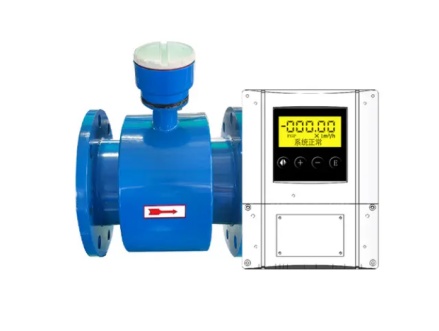
In today’s industrial world, precision and efficiency are paramount, especially when measuring the flow of liquids and slurries in various processes. For businesses that rely on accurate flow measurement, choosing the right technology can make a significant difference in overall performance and operational costs. Electromagnetic flowmeters have emerged as one of the most reliable and precise flow measurement technologies, providing businesses across different sectors with an accurate way to monitor fluid flow.
At Jiangsu Haikin Technology Co., Ltd., we understand the growing demand for accurate and cost-effective measurement solutions. That’s why we specialize in providing state-of-the-art electromagnetic flowmeters that deliver accurate readings, even in the most challenging conditions. In this article, we will discuss why using an electromagnetic flowmeter is an essential choice for industrial applications and how it can improve the overall efficiency of your operations.
Before diving into the reasons why electromagnetic flowmeters are an ideal solution, let’s first explore what they are and how they work. An electromagnetic flowmeter, also known as a magmeter, operates on the principle of Faraday’s Law of Induction. When a conductive liquid or slurry flows through a magnetic field created by the flowmeter, it generates a voltage proportional to the flow rate. This voltage is measured by electrodes and converted into a flow rate reading.
One of the most significant advantages of electromagnetic flowmeters is that they do not have any moving parts, which minimizes wear and tear and ensures long-term reliability. This makes them especially well-suited for industries where high-precision flow measurement is crucial, such as water treatment, chemical processing, and food and beverage manufacturing.
The versatility and reliability of electromagnetic flowmeters make them an excellent choice for a wide range of industrial applications. These flowmeters are designed to provide precise, accurate, and cost-effective flow measurements in various sectors, including water treatment, chemical processing, and food production. Their ability to perform reliably in different environments, especially when dealing with conductive liquids, has made them the preferred option for industries where high performance is critical. Below are some of the key reasons why electromagnetic flowmeters are widely chosen across industries:
One of the primary reasons electromagnetic flowmeters are widely used is their high accuracy. Unlike mechanical flowmeters that rely on moving parts to measure flow, electromagnetic flowmeters offer superior precision without any mechanical friction. This allows for continuous, reliable, and accurate readings, even in fluctuating or unstable flow conditions. These flowmeters can operate effectively in environments where flow rates change frequently or are difficult to monitor.
They are particularly effective for measuring the flow of conductive liquids, such as water, chemicals, and slurries, where high precision is essential. Additionally, the absence of moving parts means electromagnetic flowmeters can measure flow rates over a broad range, from very low flow to high flow, without compromising performance. This capability makes them indispensable in industries requiring consistent flow data for operations such as monitoring water usage, chemical dosing, or monitoring industrial processes.
A significant advantage of electromagnetic flowmeters is that they do not create any significant pressure drop in the system. Unlike other types of flow measurement technologies, such as turbine flowmeters or orifice meters, which can create resistance to flow and cause energy losses, electromagnetic flowmeters operate based on electromagnetic fields. This design ensures that there is no obstruction to the flow of the fluid, making them ideal for applications where maintaining consistent pressure is crucial.
This ability to measure flow without disrupting the system is especially beneficial for energy-efficient operations. In systems where maintaining pressure is critical, such as in piping networks or process systems, electromagnetic flowmeters offer a reliable and efficient solution. By eliminating the pressure drop, they help maintain the system’s overall energy efficiency and minimize the need for additional pumping power or system adjustments.
Another key benefit of electromagnetic flowmeters is their exceptional durability and long lifespan. With no moving parts to wear out, these flowmeters experience minimal wear and tear, making them highly reliable over time. They are designed to withstand harsh operational environments, such as high temperatures, high-pressure conditions, and corrosive fluids.
These flowmeters are made from corrosion-resistant materials like stainless steel or other alloys, which further extends their lifespan and reduces the need for frequent maintenance. This makes electromagnetic flowmeters particularly suitable for industries like chemical processing, wastewater treatment, and food and beverage production, where the environment can be harsh and the equipment needs to function reliably for extended periods without interruption.
Electromagnetic flowmeters are highly versatile and can be used in a wide variety of applications across different industries. From water and wastewater treatment to chemical processing, food and beverage production, and pharmaceuticals, these flowmeters are suitable for measuring a broad range of liquids, including clean water, slurries, and chemicals.
These flowmeters can accommodate different pipe sizes and types, ranging from small-diameter pipes in residential or commercial settings to large industrial pipelines used in heavy manufacturing. This adaptability makes them ideal for diverse system setups, whether the system involves a complex network of pipes or a single flow measurement point.
Since electromagnetic flowmeters have no moving parts, they generally require less maintenance compared to mechanical flowmeters. There is no mechanical wear or frictional losses to deal with, which is a significant advantage in systems that operate continuously or in challenging conditions.
Routine maintenance for electromagnetic flowmeters is typically limited to cleaning the electrodes to ensure accurate readings. This cleaning process is simple and can be performed without the need for disassembling the flowmeter. The lack of moving parts reduces the likelihood of mechanical failure and decreases the need for frequent repairs or replacement of components.
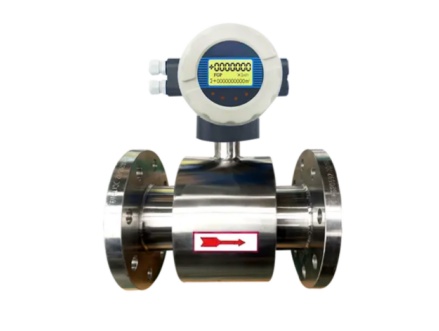
While electromagnetic flowmeters offer numerous benefits, they do come with a few challenges. However, these challenges can be managed with proper care and knowledge. Below are some common issues faced by users and solutions to address them:
Electromagnetic flowmeters only work with conductive liquids. If the liquid does not have sufficient electrical conductivity (such as oils or pure hydrocarbons), the meter will not function correctly. This limitation can be addressed by using alternative flow measurement technologies, such as ultrasonic or positive displacement flowmeters, for non-conductive fluids.
While electromagnetic flowmeters are relatively easy to install in new systems, retrofitting them into existing setups can sometimes be a challenge. Proper installation requires that the flowmeter be installed in a straight run of pipe with minimal turbulence. To ensure optimal performance, it’s essential to follow the manufacturer’s installation guidelines and verify that the flowmeter is positioned correctly.
Since electromagnetic flowmeters rely on electrical measurements, electrical interference from nearby equipment can affect their performance. Shielding or proper grounding of the system can help mitigate this issue and ensure accurate readings.
To understand why electromagnetic flowmeters are often the best choice, it’s useful to compare them to other common flow measurement technologies:
Feature | Electromagnetic Flowmeter | Turbine Flowmeter | Ultrasonic Flowmeter |
Accuracy | High | Moderate | High |
No Moving Parts | Yes | No | Yes |
Pressure Drop | None | Significant | None |
Suitable for Conductive Liquids | Yes | No | Yes |
Maintenance | Low | High | Low |
Cost | Moderate | Moderate | High |
As shown in the table, electromagnetic flowmeters excel in accuracy, reliability, and low maintenance. They are particularly advantageous for applications where conductive liquids are involved, offering more consistent performance compared to turbine meters.
Electromagnetic flowmeters are an essential tool for accurately measuring fluid flow in various industrial applications. Their high accuracy, low maintenance requirements, and versatility make them an ideal choice for industries such as water treatment, chemical processing, and consumer electronics manufacturing. By selecting the right flowmeter for your system, you can ensure long-term reliability, reduce operational costs, and improve system performance.
At Jiangsu Haikin Technology Co., Ltd., we provide cutting-edge electromagnetic flowmeters that offer superior performance for a wide range of applications. Our team is dedicated to helping businesses optimize their operations through precise and reliable flow measurement solutions. Contact us today to learn more about our products or to discuss your specific flow measurement needs.
Electromagnetic flowmeters are designed to measure conductive liquids, such as water, chemicals, and slurries. They are not suitable for non-conductive liquids like oils.
Yes, electromagnetic flowmeters are relatively easy to install, but they require proper alignment in a straight section of pipe with minimal turbulence to ensure accurate readings.
Calibration intervals depend on the application and usage, but it’s generally recommended to calibrate the flowmeter annually or according to the manufacturer's guidelines.
The main advantage is their accuracy and low maintenance, especially in applications that involve conductive liquids. They provide consistent, reliable measurements without the need for moving parts.

