


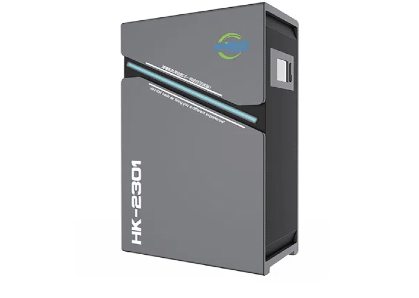
In today's rapidly evolving architectural landscape, modern buildings are designed not only for aesthetic appeal but also for sustainability, occupant comfort, and health. One of the critical factors influencing these objectives is the quality of the indoor environment. The air we breathe, the temperature we experience, humidity levels, and even noise significantly impact our well-being, productivity, and safety.
To address these challenges, Smart Indoor Environmental Assurance Systems (SIEAS) have emerged as transformative technologies. These intelligent systems continuously monitor, analyze, and optimize indoor environmental parameters, ensuring that building occupants enjoy the healthiest, safest, and most comfortable spaces possible.
In this article, we explore why smart indoor environmental assurance systems are essential for modern buildings, their key features, benefits, and how they contribute to sustainable, efficient, and occupant-centric architecture.
Smart Indoor Environmental Assurance Systems integrate a network of advanced sensors, control units, and analytics software to provide real-time monitoring and management of various indoor environmental factors. These systems typically track:
Air Quality (levels of CO₂, VOCs, particulate matter, and other pollutants)
Temperature and Humidity
Ventilation Rates
Lighting Levels
Noise and Acoustics
Occupancy and Usage Patterns
By leveraging data from these parameters, SIEAS can automatically adjust HVAC systems, lighting, and other building operations to maintain optimal conditions. Advanced models also incorporate machine learning algorithms to predict and respond proactively to environmental changes, enhancing efficiency and occupant comfort.
Indoor Environmental Quality (IEQ) directly affects occupants’ health, comfort, and productivity. Poor indoor air quality and uncomfortable temperature or humidity levels can lead to:
Respiratory problems, allergies, and sick building syndrome
Reduced cognitive performance and concentration
Increased absenteeism and lower employee morale
Accelerated deterioration of building materials and furnishings
Modern buildings, especially energy-efficient and airtight constructions, can unintentionally trap pollutants and moisture, making IEQ management even more critical. Smart assurance systems help mitigate these risks by continuously monitoring and improving indoor conditions.
Traditional building management systems often depend on periodic manual inspections or a limited number of sensors, which can overlook sudden or localized environmental problems. In contrast, Smart Indoor Environmental Assurance Systems (SIEAS) employ a dense network of advanced sensors strategically placed throughout the building. This setup provides continuous, real-time monitoring of crucial parameters such as air quality, temperature, humidity, and occupancy.
The granular data captured allows facility managers to detect anomalies—like spikes in CO₂ concentration, unexpected humidity hotspots, or fluctuations in pollutant levels—as soon as they occur. Early detection enables rapid intervention, preventing minor issues from escalating into serious health hazards or costly repairs. For occupants, this means a consistently healthy and comfortable environment without downtime or discomfort.
Energy consumption in buildings accounts for a significant portion of global greenhouse gas emissions. SIEAS address this challenge by intelligently optimizing heating, cooling, ventilation, and lighting systems based on real-time environmental data and actual occupancy patterns.
For example, ventilation rates can automatically increase when sensors detect elevated levels of indoor pollutants, ensuring fresh air supply, and decrease during periods of low or no occupancy, conserving energy. Lighting systems adjust according to natural daylight availability and room usage. These dynamic adjustments not only reduce wasted energy but also lower utility costs, contributing to significant operational savings.
Such smart energy management aligns buildings with internationally recognized green certifications such as LEED (Leadership in Energy and Environmental Design) and WELL Building Standard, supporting organizations’ sustainability commitments and enhancing their corporate social responsibility profiles.
Maintaining a healthy indoor environment is critical for occupant well-being. SIEAS ensure that temperature, humidity, and air quality levels remain within optimal ranges tailored to the specific needs of the building occupants. This proactive environment control helps to reduce the prevalence of respiratory conditions, allergies, and symptoms associated with sick building syndrome.
Comfortable indoor conditions also have a direct impact on productivity and satisfaction. Studies have shown that employees working in well-regulated environments exhibit higher concentration, creativity, and overall job satisfaction. Similarly, students in schools and patients in healthcare facilities benefit from improved environmental conditions, fostering better learning and recovery outcomes.
One of the most valuable features of SIEAS is their ability to provide predictive maintenance insights. By continuously monitoring equipment performance and environmental trends, these systems can forecast when HVAC components, air filters, or other critical parts are nearing the end of their effective lifespan.
This early warning system allows facility managers to schedule maintenance proactively, avoiding unexpected breakdowns and costly emergency repairs. Predictive maintenance also helps to extend the lifespan of building equipment, improves operational efficiency, and minimizes downtime, which is particularly crucial for facilities that operate 24/7, such as hospitals or data centers.
The wealth of data collected by SIEAS does not just facilitate real-time control; it also empowers facility managers with actionable analytics and reporting tools. These insights reveal patterns in space utilization, environmental changes over time, and system performance.
Such data-driven visibility enables smarter decisions about building operations, such as optimizing room usage, adjusting maintenance schedules based on actual need, and planning future upgrades or retrofits with maximum impact. Additionally, comprehensive environmental reporting helps demonstrate compliance with health, safety, and environmental regulations, simplifying audits and certifications.
A typical SIEAS includes:
Sensors: Detect temperature, humidity, CO₂, VOCs, particulate matter, noise, light, and occupancy.
Control Units: Process sensor data and interface with HVAC, lighting, and other building systems.
Communication Networks: Enable data transmission between devices and central management platforms, often via IoT protocols.
Analytics Software: Uses AI and machine learning to interpret data, detect anomalies, and optimize system responses.
User Interfaces: Dashboards and mobile apps provide real-time monitoring and control capabilities to facility managers and occupants.
SIEAS are being adopted across diverse building types:
Commercial Offices: To maintain healthy work environments, enhance productivity, and reduce energy costs.
Healthcare Facilities: Where air quality and infection control are paramount.
Schools and Universities: Ensuring comfortable, safe spaces that support learning and development.
Residential Complexes: Improving comfort and safety for occupants while optimizing energy use.
Industrial Facilities: Monitoring air quality and temperature to protect workers and sensitive equipment.
While SIEAS offer many benefits, successful implementation requires attention to:
Integration: Compatibility with existing building management systems is critical for seamless operation.
Data Privacy and Security: Protecting occupant data and system integrity is essential, especially with IoT connectivity.
Cost: Initial investment and ongoing maintenance should be evaluated against long-term savings and benefits.
User Engagement: Training and clear communication ensure occupants understand and support the system’s goals.
As modern buildings evolve towards smarter, more sustainable designs, Smart Indoor Environmental Assurance Systems become indispensable tools. By delivering continuous, precise control over indoor air quality, temperature, humidity, and other factors, they protect occupant health, enhance comfort, reduce energy consumption, and support proactive maintenance.
For building owners and facility managers aiming to future-proof their properties, investing in these advanced systems is a strategic decision that delivers tangible returns.
To explore cutting-edge solutions and expert guidance in smart indoor environmental assurance, consider contacting Jiangsu Haikin Technology Co. Their innovative products and professional support can help you create healthier, smarter, and more efficient building environments.

