


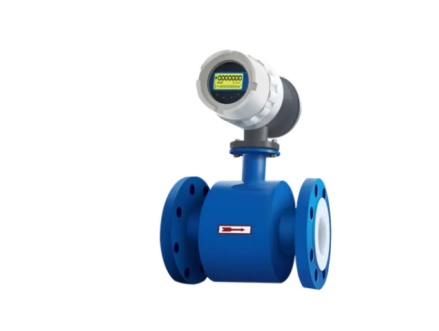
Installing an electromagnetic flowmeter can significantly improve the accuracy and efficiency of fluid flow measurements in various industries, including water treatment, chemical processing, and food production. As with any industrial equipment, however, the installation process must be approached carefully to ensure that the flowmeter operates optimally. At Jiangsu Haikin Technology Co., Ltd., we specialize in providing high-quality electromagnetic flowmeters that offer accurate, reliable, and durable performance in diverse applications. Before proceeding with the installation of a flowmeter, there are several critical factors to consider to ensure seamless operation and long-term reliability.
An electromagnetic flowmeter is a device used to measure the flow rate of conductive liquids. It operates on the principle of Faraday’s law of induction, which states that when a conductor moves through a magnetic field, a voltage is induced in the conductor. In the case of a flowmeter, the liquid passing through the flow tube acts as the conductor, and the magnetic field generated by the flowmeter induces a voltage proportional to the velocity of the flow. This voltage is then measured and converted into an accurate flow reading.
Unlike traditional mechanical flowmeters, electromagnetic flowmeters have no moving parts, which reduces wear and tear and increases their lifespan. This feature also makes them ideal for measuring corrosive, abrasive, or highly viscous fluids, as they are less likely to be affected by the properties of the fluid.
· Accuracy: Electromagnetic flowmeters offer high accuracy, making them ideal for applications that require precise flow measurement.
· Durability: With no moving parts, electromagnetic flowmeters have a longer operational life and are less prone to damage.
· Non-invasive measurement: These flowmeters do not impede the flow of the fluid, reducing the chances of clogging or fluid disturbance.
· Versatility: They can measure a wide variety of liquids, including aggressive and viscous fluids, making them suitable for many industries.
One of the most important factors to consider before installing an electromagnetic flowmeter is the nature of the fluid being measured. Electromagnetic flowmeters are designed to measure conductive liquids, which typically include water, acids, and certain chemicals. However, they are not suitable for non-conductive fluids such as oils, gases, or hydrocarbons.
It’s essential to ensure that the liquid in your application has sufficient conductivity for accurate measurement. If you are working with a fluid that has low conductivity, it may be necessary to add a conductive additive to the fluid or select a different type of flowmeter that is more suitable for your application.
Choosing the right installation location is critical to the performance of the electromagnetic flowmeter. Ideally, the flowmeter should be installed in a straight section of the pipe, both upstream and downstream, to avoid turbulence that could affect accuracy. The length of the straight pipe sections required will depend on the size of the flowmeter and the characteristics of the flow.
In general, it is recommended to install the flowmeter in a section where the flow is steady and uninterrupted. The presence of elbows, valves, or other equipment close to the flowmeter can cause flow disturbances, which can result in inaccurate readings.
When selecting an electromagnetic flowmeter, it’s important to ensure that the device is compatible with the size of your pipeline. Flowmeters come in various sizes to accommodate different pipe diameters, and using the wrong size can affect the accuracy of the readings. A flowmeter that is too small for the pipeline may lead to underestimation of flow, while one that is too large may result in inefficient performance.
In addition to pipe size, it’s also essential to consider the material of the pipe. The flowmeter should be installed on a pipe made of non-magnetic material, such as PVC, steel, or stainless steel, to ensure that the magnetic field generated by the flowmeter remains stable and unaffected.
Electromagnetic flowmeters require a stable power supply to operate effectively. Before installation, ensure that there is an available power source that meets the flowmeter’s specifications. Typically, electromagnetic flowmeters operate on either AC or DC power, depending on the model.
It’s also important to consider the wiring requirements for the flowmeter. Proper wiring and grounding are crucial to avoid electrical interference that could affect the accuracy of the readings. Ensure that the flowmeter is connected to the correct control panel or data acquisition system to allow for seamless integration with your existing setup.
Environmental factors such as temperature, pressure, and humidity can also impact the performance of an electromagnetic flowmeter. Before installation, check the specifications of the flowmeter to ensure that it is suitable for the operating conditions of your environment.
Although electromagnetic flowmeters require minimal maintenance due to their lack of moving parts, they still need regular checks to ensure that they continue to function correctly. It is essential to inspect the flowmeter periodically to check for any issues, such as sensor malfunctions, corrosion, or wiring problems.
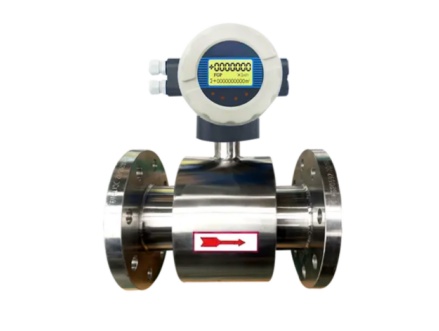
Installing an electromagnetic flowmeter requires careful planning and attention to detail to ensure accurate and reliable flow measurements. Follow these steps to ensure a successful installation:
Before starting the installation, ensure that the system is completely shut down, and the pipe is free of any pressure. This is crucial for safety and to avoid any accidents. Additionally, clean the pipeline thoroughly to remove any debris, rust, or scale that could affect the performance of the flowmeter. Any impurities in the pipe can interfere with the flowmeter’s sensors, leading to inaccurate readings.
Install the flowmeter on a straight section of the pipe. It is essential to follow the manufacturer’s guidelines regarding flow direction and pipe orientation. Typically, the electrodes of the flowmeter must be aligned with the flow direction to ensure optimal performance. Avoid installing the flowmeter in areas where there are bends, elbows, or other disruptions in the flow, as this can cause turbulence that affects accuracy.
Connect the flowmeter to the power supply and control system, ensuring that the wiring is secure and properly grounded. Proper grounding is critical to avoid electrical interference, which can disrupt the flowmeter's performance. Double-check all electrical connections to make sure there are no loose wires or potential hazards.
Once the flowmeter is installed, power up the system and conduct a series of tests to ensure the device is functioning correctly. Calibration is essential to match the flowmeter’s readings to the actual flow conditions in the pipe. Proper calibration ensures that the flowmeter provides accurate and reliable data.
After installation, regularly monitor the flowmeter for any signs of malfunction or drift in readings. Regular maintenance checks should be scheduled to clean the sensors, inspect the wiring, and recalibrate the system as necessary. Proper maintenance ensures that the flowmeter continues to operate with high accuracy and reliability over time.
Factor | Recommendation | Impact on Installation |
Fluid Characteristics | Ensure fluid is conductive | Inaccurate readings for non-conductive fluids |
Installation Location | Install on a straight section of pipe | Reduces turbulence and ensures accurate readings |
Pipe Size and Compatibility | Match flowmeter size with pipe diameter | Ensures proper flow measurement accuracy |
Power Supply and Wiring | Ensure stable power source and proper wiring | Prevents electrical interference and ensures stable performance |
Environmental Conditions | Choose models rated for temperature and pressure | Ensures accurate readings in varying environments |
Maintenance and Calibration | Perform regular checks and calibrations | Maintains long-term accuracy and performance |
An electromagnetic flowmeter is a powerful and efficient tool for measuring fluid flow in various industries. By carefully considering the key factors discussed above—fluid characteristics, installation location, pipe size, and environmental conditions—you can ensure that your flowmeter operates at peak efficiency. At Jiangsu Haikin Technology Co., Ltd., we specialize in providing high-quality electromagnetic flowmeters designed to meet the unique needs of each application. If you are ready to enhance your flow measurement system, contact us today to learn more about our reliable and precise solutions.
No, electromagnetic flowmeters can only measure conductive liquids, as they rely on the fluid's conductivity to generate the induced voltage.
The flowmeter should match the pipe diameter. Using a flowmeter that is too small or too large can result in inaccurate flow measurements.
Calibration frequency depends on the application, but periodic calibration is recommended to ensure accurate and reliable performance over time.
Environmental factors such as temperature, pressure, and humidity can impact the flowmeter's performance. Ensure that the flowmeter is rated for your specific environmental conditions.

