


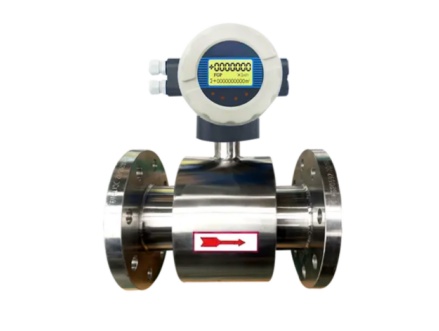
In modern industries, precise and reliable flow measurement is crucial for the effective operation of various processes. One of the most advanced and accurate devices used to measure the flow of conductive liquids is the electromagnetic flowmeter. At Jiangsu Haikin Technology Co., Ltd., we specialize in providing cutting-edge electromagnetic flowmeter technology designed to meet the needs of industries ranging from water treatment to chemical processing. In this article, we will explore what an electromagnetic flowmeter is, how it works, and why it has become an essential tool for industries that require high-precision flow measurements.
An electromagnetic flowmeter (or magmeter) operates on the principle of electromagnetic induction to measure the velocity of conductive fluids. Unlike mechanical flowmeters, which use moving parts to calculate flow, electromagnetic flowmeters offer numerous advantages, including higher accuracy, greater reliability, and the ability to measure corrosive or abrasive liquids. These features make electromagnetic flowmeters an excellent choice for many applications in industrial environments where precision and durability are paramount.
At the heart of an electromagnetic flowmeter is the Faraday’s Law of Induction, which describes the way voltage is induced when a conductive liquid passes through a magnetic field. The flowmeter contains a magnetic coil that generates a magnetic field inside the pipe. As the conductive liquid flows through the pipe, it cuts across the magnetic field, causing an electrical voltage to be generated. This voltage is proportional to the velocity of the liquid, which is then measured by electrodes inside the flowmeter. By measuring the induced voltage, the flowmeter can accurately calculate the flow rate of the liquid.
The main components of an electromagnetic flowmeter are:
· Electromagnetic Coil: This generates the magnetic field through which the conductive liquid flows.
· Electrodes: These measure the induced voltage generated by the flowing liquid.
· Flow Tube: The pipe or conduit through which the liquid flows.
· Processor: This part of the flowmeter converts the measured voltage into a readable flow rate and transmits this data to a controller or display.
This non-intrusive method of flow measurement offers several distinct advantages over traditional flow meters that rely on moving mechanical parts, such as turbines or gears.
Feature | Benefit |
No moving parts | Greater reliability and lower maintenance |
High accuracy | Precise measurements for various liquids |
No pressure drop | Maintains the flow characteristics of the fluid |
Measures conductive liquids | Ideal for wastewater, chemicals, and slurries |
Durable and low-maintenance | Long-lasting performance with minimal wear |
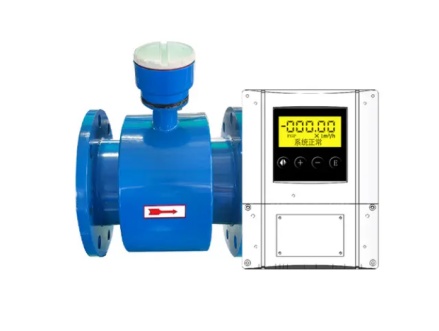
Electromagnetic flowmeters are widely used in industries where accurate flow measurement of conductive liquids is required. Their high accuracy, reliability, and non-invasive nature make them the preferred choice for a variety of applications. In this section, we will explore some of the most common industries that benefit from the use of electromagnetic flowmeters.
In water and wastewater treatment plants, accurate measurement of water, sludge, and chemical flows is essential for maintaining optimal plant operations. This is crucial not only for ensuring that processes run smoothly but also for meeting environmental regulations that govern the discharge of treated water. Electromagnetic flowmeters are particularly suitable for this application because they can handle a wide range of fluid types, including corrosive and abrasive substances.
Since water and wastewater systems often involve complex flow patterns and variable conditions, electromagnetic flowmeters are an ideal choice due to their accuracy, reliability, and ability to measure even dirty fluids like sludge. They help operators optimize the flow of water and chemicals, reducing energy consumption and improving operational efficiency.
The chemical and pharmaceutical industries rely heavily on precise flow measurements for the production, formulation, and quality control of various liquids and chemicals. Accurate flow measurement in these industries ensures consistency, prevents contamination, and helps maintain the desired chemical properties of the final product.
In chemical plants, electromagnetic flowmeters are often used to measure the flow of acids, alkalis, solvents, and other chemicals. This is important not only for the quality control of products but also for safety, as certain chemicals can be hazardous if mishandled or improperly mixed.
In the food and beverage industry, maintaining the accurate flow of ingredients such as liquids, syrups, sauces, and dairy products is critical to the quality and consistency of the final product. Electromagnetic flowmeters are ideal for monitoring the flow of juices, milk, beer, wine, and other liquids during production and packaging.
The non-contact nature of electromagnetic flowmeters ensures that the liquids remain uncontaminated by mechanical parts, which is essential in food production. Additionally, because these flowmeters can handle high-viscosity liquids, they are often used to monitor the flow of thick liquids like yogurt, ketchup, and chocolate syrup, where traditional mechanical flowmeters might struggle.
can optimize ingredient use, minimize waste, and ensure that the end product meets both quality standards and regulatory requirements.
The pulp and paper industry requires the precise flow measurement of water, chemicals, and slurries throughout the production process. These materials are often complex mixtures of liquids, fibers, and additives, making accurate flow measurement challenging. Electromagnetic flowmeters are ideal for this purpose because they can measure slurry, pulp, and other mixtures containing solids without being affected by the particulates.
Electromagnetic flowmeters offer a range of advantages over traditional flow measurement technologies, which make them the go-to solution for many industries. Here are some of the key benefits of choosing electromagnetic flowmeters for your applications:
Unlike traditional mechanical flowmeters that use moving parts, electromagnetic flowmeters have no internal moving components. This eliminates the risk of wear and tear, reducing maintenance requirements and increasing the reliability and longevity of the device. With no moving parts, there is also less friction, which means electromagnetic flowmeters have a higher level of accuracy and durability compared to mechanical counterparts.
Electromagnetic flowmeters are known for their high accuracy and reliability. These meters can provide precise flow measurements even at very low flow rates, which is essential for industries that require exact control over fluid quantities. Since the flow rate is calculated using electromagnetic induction, the flow measurement remains highly accurate, even when the liquid is dirty, viscous, or contains suspended solids.
The non-intrusive nature of electromagnetic flowmeters means that they do not interfere with the flow of liquids. This makes them particularly suitable for applications that involve hazardous or sensitive materials, such as chemicals, pharmaceuticals, and food production. Because there are no moving parts in direct contact with the fluid, there is also less risk of contamination or wear.
Electromagnetic flowmeters are highly versatile and can be used to measure a variety of conductive liquids, including clean water, sewage, chemicals, slurries, and food products. This versatility makes them suitable for a wide range of industries, including water treatment, chemical processing, food and beverage, and pulp and paper. Regardless of the specific application, electromagnetic flowmeters provide consistent, reliable flow data for all types of conductive fluids.
Electromagnetic flowmeters are designed in such a way that they do not obstruct the flow of fluids, unlike traditional flowmeters that rely on mechanical parts or orifices to measure flow. As a result, they cause minimal pressure drop, which is critical in systems where maintaining the pressure of the fluid is important for system efficiency. This feature is particularly beneficial in pumping systems, where minimizing energy loss is a priority.
Electromagnetic flowmeters are an essential tool for industries that require accurate and reliable fluid flow measurement. With their no-moving-parts design, high accuracy, and ability to measure a wide range of conductive liquids, they provide significant advantages over traditional flow measurement methods. At Jiangsu Haikin Technology Co., Ltd., we specialize in providing high-quality electromagnetic flowmeters that meet the diverse needs of industries such as water treatment, chemical processing, food and beverage, and more.
By using electromagnetic flowmeters, industries can achieve better process control, improved operational efficiency, and reduced maintenance costs. If you're looking for a reliable solution for your flow measurement needs, we invite you to contact us today for more information.
1. What is an electromagnetic flowmeter?
An electromagnetic flowmeter is a device that uses the principle of electromagnetic induction to measure the flow of conductive liquids, offering high accuracy and reliability.
2. Why are electromagnetic flowmeters used in water treatment plants?
They are ideal for water treatment plants because they accurately measure the flow of water, sludge, and chemicals while being resistant to corrosion and wear.
3. What industries benefit from using electromagnetic flowmeters?
Electromagnetic flowmeters are used in a variety of industries, including water treatment, chemical processing, food and beverage, pulp and paper, and more, where accurate flow measurement is crucial.
4. How do electromagnetic flowmeters compare to other flowmeters?
Unlike mechanical flowmeters, electromagnetic flowmeters have no moving parts, resulting in reduced maintenance, longer lifespan, and higher reliability. They are also more accurate and versatile in measuring various types of conductive liquids.

