


In recent years, indoor air quality has become a critical concern for workplaces, schools, hospitals, and commercial buildings. With people spending up to 90% of their time indoors, exposure to airborne contaminants—such as dust, allergens, volatile organic compounds (VOCs), bacteria, and viruses—can have serious health implications. Smart Indoor Environmental Assurance Systems (SIEAS) have emerged as an advanced solution, combining real-time monitoring, filtration, and data analytics to protect occupants and enhance indoor environmental quality. This article explores the importance, functionality, and benefits of these systems for modern indoor spaces.
A Smart Indoor Environmental Assurance System is an integrated platform that monitors, manages, and improves indoor air quality. Unlike traditional HVAC systems, which only provide heating, ventilation, and cooling, SIEAS actively track multiple environmental parameters and respond to potential hazards in real-time. Key features include:
Airborne Contaminant Detection: Using sensors to measure particulate matter (PM2.5 and PM10), carbon dioxide, VOCs, humidity, and temperature.
Automated Filtration and Purification: Systems can automatically adjust filtration intensity or activate air purifiers when pollutant levels exceed safe thresholds.
Real-Time Data Analytics: Continuous monitoring generates actionable insights for facility managers, helping identify trends, optimize maintenance schedules, and ensure compliance with indoor air quality standards.
Remote Management: Integration with cloud-based platforms and mobile applications allows stakeholders to monitor environmental conditions from anywhere, facilitating quick decision-making and proactive responses.
By combining these features, SIEAS ensure a safer, healthier, and more comfortable indoor environment for occupants.
Airborne contaminants in indoor spaces pose multiple risks:
Health Risks: Prolonged exposure to dust, allergens, or VOCs can trigger respiratory issues, allergies, headaches, fatigue, and even chronic conditions. In workplaces, poor air quality is linked to increased sick days and reduced productivity.
Cross-Contamination: In healthcare, laboratory, or food-processing environments, airborne pathogens can compromise sterility, leading to infection outbreaks or contamination of sensitive products.
Regulatory Compliance: Governments and industry bodies have established standards for indoor air quality, including permissible limits for pollutants like PM2.5, carbon monoxide, and VOCs. Compliance is essential for legal and safety reasons.
Smart Indoor Environmental Assurance Systems mitigate these risks by providing real-time detection, rapid intervention, and actionable analytics that keep indoor spaces within safe limits.
Sensors are the backbone of a smart indoor environmental system. Modern devices can detect multiple pollutants simultaneously, such as particulate matter, VOCs, ozone, and microbial contaminants. Some systems even monitor temperature, humidity, and airflow to provide a comprehensive view of the indoor environment. The accuracy of these sensors ensures that occupants are protected from both visible and invisible air quality threats.
Once contaminants are detected, SIEAS activate filtration or purification mechanisms. These may include HEPA filters, activated carbon filters, UV sterilization, or electrostatic precipitators. The system adjusts the purification level based on the severity of contamination, optimizing energy use while maintaining indoor safety. In high-risk areas such as hospitals or laboratories, advanced filtration can remove harmful pathogens and reduce the risk of airborne infections.
Smart systems generate continuous data streams that can be analyzed to detect patterns, identify potential issues, and predict future risks. Facility managers can access dashboards that highlight pollutant spikes, trends over time, and maintenance requirements. This predictive approach allows for proactive interventions, minimizing downtime and ensuring optimal indoor conditions.
SIEAS can seamlessly integrate with existing building management systems (BMS), linking HVAC, lighting, and ventilation controls with real-time air quality data. This integration allows for automated adjustments—for example, increasing ventilation when CO2 levels rise or triggering filtration when particulate matter exceeds safe thresholds.
Enhanced Health and Safety
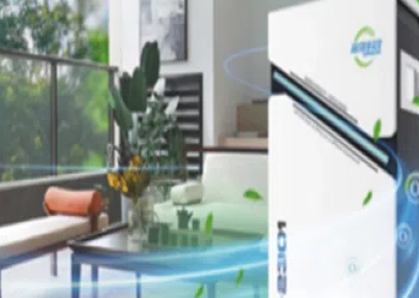
Smart Indoor Environmental Assurance Systems (SIEAS) play a vital role in protecting building occupants from harmful airborne contaminants. By continuously monitoring air quality, these systems detect pollutants, allergens, dust particles, volatile organic compounds (VOCs), and pathogens in real-time. Immediate corrective actions, such as activating advanced filtration or adjusting ventilation, prevent prolonged exposure to hazardous substances. This proactive approach significantly reduces respiratory issues, allergies, and potential infections, while also promoting better cognitive function. In schools, offices, hospitals, and other shared spaces, healthier air contributes to lower absenteeism, improved concentration, and overall well-being, making SIEAS a crucial investment for public health.
Energy Efficiency
Unlike traditional HVAC systems that run continuously and often waste energy, smart environmental assurance systems operate intelligently based on actual indoor conditions. They adjust ventilation rates, filtration intensity, and climate control only when necessary, reducing unnecessary energy consumption. For example, when pollutant levels are low, the system can lower fan speeds or temporarily deactivate purification units, conserving electricity. This optimized operation not only reduces utility bills but also extends the life of mechanical components by preventing overuse, contributing to both economic and environmental sustainability.
Compliance and Reporting
SIEAS offer detailed data logging and reporting functionalities that simplify compliance with indoor air quality regulations and standards. Real-time alerts notify facility managers of pollutant spikes or abnormal conditions, allowing immediate intervention. Historical records and analytics make it easy to demonstrate adherence to governmental or industry-specific air quality requirements, which is essential for certifications and audits. Facilities such as laboratories, hospitals, and manufacturing plants benefit from this transparency, ensuring both legal compliance and operational safety.
Improved Comfort and Productivity
Balanced indoor conditions, including temperature, humidity, and pollutant levels, are essential for occupant comfort. SIEAS maintain optimal indoor environments, reducing discomfort caused by stale air, odors, or excessive dryness. Studies show that improved indoor air quality directly correlates with higher productivity, enhanced focus, and better cognitive performance. In workplaces, employees experience fewer distractions and less fatigue; in educational settings, students demonstrate improved attention and learning outcomes. Even in healthcare facilities, maintaining a comfortable and contaminant-free environment supports faster patient recovery and better staff performance.
Reduced Maintenance Costs
Predictive analytics are a key feature of modern SIEAS. By continuously monitoring air quality and system performance, these systems can predict when filters need replacement, when ventilation components require servicing, or when other maintenance tasks are necessary. This predictive capability prevents unscheduled downtime, avoids costly emergency repairs, and extends the lifespan of HVAC and filtration equipment. Furthermore, optimizing system usage reduces wear and tear, minimizes energy wastage, and ensures consistent performance over time, ultimately lowering overall operational costs for facility managers.
SIEAS are applicable in diverse sectors:
Healthcare: Hospitals, clinics, and laboratories benefit from pathogen monitoring, sterile air circulation, and rapid contamination response.
Education: Schools and universities use SIEAS to maintain clean air, reducing student absenteeism and improving concentration.
Corporate Offices: Ensuring clean air improves employee well-being, reduces sick days, and supports corporate sustainability goals.
Industrial Facilities: Manufacturing plants can monitor chemical fumes, dust, and VOCs, protecting workers and ensuring compliance with occupational safety standards.
Hospitality and Public Spaces: Hotels, restaurants, and airports leverage smart systems to enhance guest comfort and safety.
Smart Indoor Environmental Assurance Systems are indispensable for modern buildings, providing comprehensive protection against airborne contaminants while optimizing energy use and improving occupant comfort. By integrating real-time monitoring, automated filtration, and advanced analytics, these systems help organizations create healthier, safer, and more sustainable indoor environments.
For businesses and facilities seeking to enhance indoor air quality and protect their occupants, partnering with reliable technology providers is essential. To learn more about advanced Smart Indoor Environmental Assurance Systems and their applications, visit Jiangsu Haikin Technology Co., Ltd.. Their expertise in cutting-edge environmental monitoring solutions makes them a trusted partner for industries prioritizing health, safety, and sustainability.

