


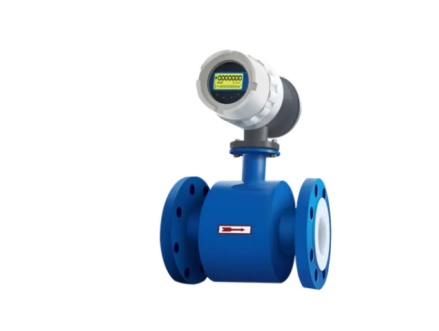
Electromagnetic flowmeters are essential instruments used for measuring the flow of conductive liquids in various industries, from water treatment to chemical processing. These devices are valued for their accuracy, reliability, and non-intrusive measurement capabilities. However, like any sophisticated equipment, electromagnetic flowmeters require regular maintenance and calibration to ensure they continue to function at their best over the long term.
At Jiangsu Haikin Technology Co., Ltd., we are committed to providing high-quality flow measurement solutions and ensuring that our customers get the most out of their electromagnetic flowmeters. In this article, we will discuss key strategies for maintaining and calibrating these devices, helping you extend their life and avoid costly repairs or replacements.
Proper maintenance and calibration of electromagnetic flowmeters are vital for ensuring accurate measurements and preventing system failures. Without regular maintenance, the performance of the flowmeter may degrade over time due to environmental factors, wear and tear, and potential interference from the flow environment.
Calibrating the flowmeter ensures that it remains accurate and reliable, even after extended periods of use. The calibration process helps correct any drift in the meter's readings, which can occur due to changes in temperature, pressure, or other operational factors.
Regular cleaning is one of the most important maintenance tasks for ensuring the accurate performance of electromagnetic flowmeters. Over time, buildup from the flowing medium can accumulate on the electrodes and other internal parts of the flowmeter, leading to inaccurate readings. This buildup can result from various factors, such as the presence of minerals, chemicals, or suspended particles in the fluid being measured.
To ensure that your electromagnetic flowmeter continues to deliver precise and reliable measurements, follow these steps for effective cleaning:
1. Power Off the Meter: Before starting any cleaning procedures, ensure that the meter is powered off. This is critical to avoid any electrical hazards or accidental activation during the cleaning process.
2. Isolate the Flowmeter: Shut off the flow of liquid through the meter. This helps prevent any unwanted flow during cleaning and ensures the meter remains isolated from the system while you perform maintenance.
3. Clean the Electrodes: Use a soft cloth or brush to gently remove any debris or buildup from the electrodes. Electrodes are particularly vulnerable to accumulation of particles and deposits, which can hinder their performance. If the buildup is severe, you can use a mild cleaning solution, but be sure that the solution is appropriate for the type of fluid being measured to avoid damaging the electrodes.
4. Flush the Internal Components: If possible, flush the internal components of the flowmeter with clean water or a non-corrosive cleaning solution. This helps remove any lingering contaminants and ensures that the internal parts remain free of debris, which could otherwise impair the flowmeter's accuracy.
5. Check for Damage: During the cleaning process, take the opportunity to inspect the flowmeter for any signs of wear or damage. Look for cracks, corrosion, or any loose components that might compromise the performance of the flowmeter. Pay particular attention to the electrodes, seals, and gaskets, as these are the parts most likely to experience wear over time.
Step | Action Description |
1. Power Off the Meter | Turn off the power to avoid electrical hazards or accidental activation during cleaning. |
2. Isolate the Flowmeter | Shut off the flow of liquid to ensure the meter is isolated and no liquid flows during cleaning. |
3. Clean the Electrodes | Gently clean electrodes with a soft cloth or brush. Use a mild cleaning solution for severe buildup. |
4. Flush the Internal Components | Flush with clean water or a non-corrosive cleaning solution to remove contaminants inside the meter. |
5. Check for Damage | Inspect the flowmeter for cracks, corrosion, or wear on parts like electrodes, seals, and gaskets. |
Regular cleaning helps maintain the electromagnetic flowmeter's accuracy and prevents the buildup of unwanted particles that can affect measurement quality. The cleaning frequency should depend on factors such as the type of fluid being measured, the flow conditions, and how often the meter is used. For instance, meters used in harsher conditions or with fluids containing high levels of particles may need cleaning more often than those used with cleaner liquids.
In addition to cleaning, routine inspections are essential to ensure that your electromagnetic flowmeter remains in good working condition and continues to operate at peak performance. These inspections should be carried out regularly to identify potential issues before they become more serious problems.
Key components to inspect include:
· Electrodes: Inspect the electrodes regularly for any signs of corrosion or damage. Corrosion on the electrodes can lead to inaccurate readings and should be prevented by maintaining proper cleaning and pH levels of the fluid. If corrosion is detected, it may be necessary to clean the electrodes more frequently or replace them.
· Seals and Gaskets: Seals and gaskets are critical for ensuring that the flowmeter maintains its integrity and prevents leaks. Over time, these components can deteriorate due to wear and exposure to heat or chemicals, which can lead to leakage or loss of measurement accuracy. Regular inspection of seals and gaskets is necessary, and they should be replaced as needed to maintain the flowmeter's performance.
· Wiring and Electronics: The wiring and electronic components of the flowmeter are essential for its operation. Ensure that the wiring is free of damage, fraying, or any signs of wear. Faulty or exposed wiring can lead to inaccuracies in readings or, in worst-case scenarios, cause the flowmeter to fail. Pay attention to connectors, cables, and other electronic parts, making sure that they are properly secured and functioning as intended.
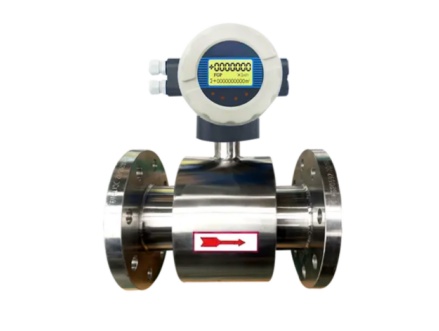
Calibration is the process of adjusting the flowmeter to ensure that it provides accurate readings over time. Without regular calibration, the flowmeter’s readings may drift, leading to errors in flow measurement.
You should calibrate your electromagnetic flowmeter in the following situations:
· After Installation: When the flowmeter is first installed, it should be calibrated to ensure that it provides accurate readings.
· Periodic Calibration: Even with regular maintenance, it’s recommended to calibrate the flowmeter periodically, especially if it has been in use for an extended period.
· After Repairs or Component Replacement: If any internal components of the flowmeter are replaced, recalibration is necessary to ensure proper operation.
· When the Fluid Properties Change: Changes in the fluid’s conductivity, temperature, or pressure may affect the flowmeter’s performance, requiring recalibration.
1. Choose a Calibration Method: There are two primary methods for calibrating electromagnetic flowmeters:
Flow Standard Calibration: Use a known flow standard (such as a reference flow meter) to compare the readings of the electromagnetic flowmeter. Adjust the readings accordingly.
Zero Calibration: Zero calibration is used to ensure that the flowmeter registers zero when there is no flow. This can help account for any drift in the system over time.
2. Verify the Flowrate: During calibration, verify that the flowmeter is reading accurately at different flow rates. This can be done by measuring the flow using a known standard or reference.
3. Adjust the Settings: If the flowmeter readings are off, adjust the calibration settings according to the manufacturer's guidelines. This might involve adjusting the flow coefficient or recalibrating the electrodes.
4. Check for Consistency: After calibration, run the flowmeter at various flow rates to verify that it consistently provides accurate readings. Make sure that the calibration remains stable over time.
Calibration frequency depends on the specific requirements of your operation. However, for electromagnetic flowmeters, it is generally recommended to calibrate them every 12 to 18 months, depending on usage and operating conditions.
Electromagnetic flowmeters are sensitive to temperature changes, which can affect the fluid’s conductivity and, consequently, the accuracy of the readings. Many flowmeters come equipped with temperature compensation features that automatically adjust the readings based on temperature fluctuations.
It’s important to ensure that the temperature compensation system is functioning properly and that any temperature variations are accounted for during calibration. This will help maintain accuracy across a wide range of operating conditions.
Similarly, pressure changes can affect the flow rate and volume of the fluid. If your flowmeter is not equipped with automatic pressure compensation, you may need to manually account for pressure changes during calibration to ensure accurate readings.
Maintaining and calibrating electromagnetic flowmeters are crucial tasks for ensuring that these devices continue to provide reliable, accurate measurements over time. Regular cleaning, thorough inspections, and careful calibration will help you extend the life of your flowmeter and prevent unexpected downtime. By following these best practices, you can ensure that your flowmeter performs optimally, reducing the risk of costly repairs and improving the overall efficiency of your operations. At Jiangsu Haikin Technology Co., Ltd., we are committed to providing high-quality flow measurement solutions and support for your electromagnetic flowmeter needs. If you would like to learn more about how we can help you optimize your flow measurement systems, contact us today for more information.
It is recommended to calibrate your electromagnetic flowmeter every 12 to 18 months, depending on usage and operating conditions.
Cleaning should include removing debris from the electrodes using a soft cloth and flushing the internal components with clean water or a mild cleaning solution.
No, electromagnetic flowmeters are designed to measure conductive liquids. They are not suitable for non-conductive fluids such as oils or gases.
If your readings are inaccurate, check for debris buildup, temperature variations, or changes in fluid properties. Perform a calibration to ensure the meter is working correctly.

