


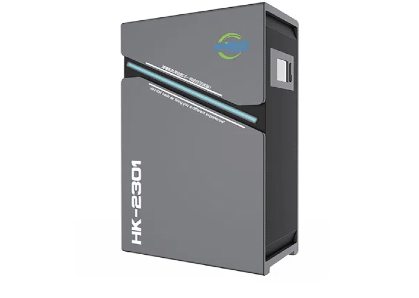
Indoor air quality has become a critical concern in both residential and commercial spaces. With people spending more than 90% of their time indoors, the quality of the air they breathe directly affects health, comfort, and productivity. Modern Indoor Environmental Protection Systems (IEPS) are designed to address these challenges by reducing contaminants, regulating indoor climate, and creating safer, healthier living and working environments.
This article explores the technologies, benefits, applications, and future trends of modern IEPS, highlighting their role in improving indoor air quality and promoting overall well-being.
An Indoor Environmental Protection System is a comprehensive solution that integrates air purification, climate control, and contaminant monitoring. Unlike traditional HVAC systems that primarily focus on temperature and airflow, IEPS are designed to actively improve air quality by removing dust, allergens, pollutants, and microorganisms from indoor environments.
Modern IEPS combine multiple technologies, including:
High-efficiency particulate air (HEPA) filters for capturing fine particles
Activated carbon filters for odor and chemical removal
UV-C sterilization to inactivate bacteria, viruses, and molds
Humidity and temperature control
Smart sensors for real-time monitoring and automated adjustments
By integrating these technologies, IEPS provide a holistic approach to indoor environmental management, ensuring safe and comfortable spaces.
HEPA filters remove airborne particles such as dust, pollen, and allergens with up to 99.97% efficiency. Activated carbon filters absorb volatile organic compounds (VOCs), smoke, and odors, effectively reducing chemical pollutants in indoor air. The combination ensures cleaner, fresher air for occupants.
UV-C light technology is widely used to inactivate harmful microorganisms, including bacteria, viruses, and molds. Integrated UV-C systems can sterilize air within HVAC ducts or enclosed units, preventing the spread of infectious agents and enhancing overall hygiene.
Ionizers and electrostatic filters use electrical charges to capture fine particles such as smoke, dust, and aerosols. These technologies complement HEPA filtration, increasing the system’s overall efficiency in removing contaminants.
Modern IEPS are equipped with sensors that detect pollutants, humidity, temperature, and VOC concentrations. Real-time monitoring allows automated adjustments to maintain optimal conditions, ensuring consistent air quality without manual intervention.
IEPS optimize airflow and ventilation to ensure even distribution of clean air, reducing stagnant zones and enhancing overall comfort. Features such as demand-controlled ventilation and heat recovery improve energy efficiency while maintaining high air quality.
Modern Indoor Environmental Protection Systems (IEPS) provide a wide range of benefits for residential, commercial, and industrial spaces, improving both health and overall indoor comfort.
Health Improvement
One of the primary advantages of IEPS is the significant improvement in indoor air quality. By removing allergens, dust, volatile organic compounds (VOCs), and airborne pathogens, these systems reduce respiratory issues, allergic reactions, and exposure to harmful microorganisms. Cleaner air contributes to overall health, increases energy levels, and reduces the likelihood of illness-related absenteeism in workplaces, schools, and healthcare facilities. This is particularly important in environments where vulnerable populations, such as children, the elderly, or immunocompromised individuals, spend a significant amount of time.
Enhanced Comfort and Well-Being
IEPS maintain stable temperature and humidity levels, creating a consistently comfortable indoor climate throughout the year. Proper humidity control not only improves personal comfort but also prevents mold growth, reduces dust mites, and protects building materials and furnishings from deterioration. This combination of clean air and regulated climate enhances occupants’ sense of well-being and ensures a pleasant environment for living, working, and learning.
Increased Productivity
Numerous studies show that high-quality indoor air positively impacts cognitive function, focus, and performance. Employees in offices and students in schools experience reduced fatigue and improved concentration when working in spaces equipped with IEPS. Enhanced air quality minimizes distractions caused by odors, pollutants, or discomfort, translating into higher productivity and efficiency.
Energy Efficiency
Modern IEPS are designed with intelligent features such as smart ventilation, automated climate control, and demand-based airflow adjustments. These systems maintain optimal air quality and indoor conditions while minimizing energy consumption, helping reduce operational costs and supporting environmental sustainability initiatives.
Regulatory Compliance
Many countries enforce strict indoor air quality standards, particularly in healthcare, educational, and commercial facilities. IEPS help buildings meet or exceed these standards, ensuring safety, reducing legal risks, and maintaining a high standard of environmental quality for all occupants.
In summary, modern IEPS not only improve health and comfort but also enhance productivity, energy efficiency, and compliance, making them a valuable investment for any indoor environment.
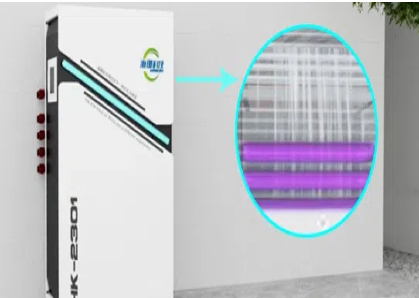
Modern Indoor Environmental Protection Systems (IEPS) are highly versatile and can be applied across a wide range of environments, providing tailored solutions for air quality, climate control, and contaminant reduction.
Residential Spaces
In homes, IEPS help reduce allergens, dust, volatile organic compounds (VOCs), and odors. Cleaner air improves family health, particularly for children, the elderly, or those with respiratory conditions. Stable temperature and humidity create a comfortable living environment, while advanced filtration systems prevent mold and dust accumulation, protecting both the occupants and household furnishings.
Offices and Workplaces
Work environments benefit significantly from IEPS, as they enhance employee well-being and comfort. By maintaining high air quality and optimal indoor conditions, these systems reduce fatigue, prevent sick days, and boost overall productivity. Employees in well-ventilated and contaminant-free offices experience improved focus and job satisfaction, making IEPS a valuable investment for modern workplaces.
Healthcare Facilities
Hospitals, clinics, and laboratories require stringent control over airborne pathogens and pollutants. IEPS play a critical role in preventing the spread of infections, maintaining sterile conditions, and ensuring patient and staff safety. Advanced systems can filter bacteria and viruses, control humidity, and monitor air quality in real time, which is essential for sensitive healthcare environments.
Schools and Educational Institutions
Classrooms and lecture halls benefit from IEPS by protecting students and staff from airborne contaminants such as dust, pollen, and microbial agents. Cleaner air supports a healthier learning environment, reduces absenteeism due to illness, and enhances cognitive performance and concentration among students.
Industrial and Laboratory Settings
In industrial facilities and laboratories, IEPS control chemical exposure, dust, particulate matter, and fumes. Maintaining safe and compliant work environments is critical for employee safety and regulatory adherence. Proper air management also ensures precision in experiments, manufacturing processes, and material handling.
The future of IEPS is closely tied to automation and smart building technologies:
IoT Integration: Remote monitoring and control via mobile devices or cloud platforms allow operators to track indoor air quality in real time.
AI-Driven Air Quality Management: Artificial intelligence can predict air quality fluctuations, optimize filtration cycles, and recommend preventive actions.
Energy-Saving Innovations: Smart systems reduce energy consumption while maintaining optimal air quality.
Sustainable Materials: Eco-friendly filters and materials reduce environmental impact while maintaining performance.
Modern Indoor Environmental Protection Systems are essential for creating cleaner, healthier, and more comfortable indoor spaces. By integrating advanced filtration, sterilization, ventilation, and smart monitoring technologies, IEPS reduce contaminants, protect human health, and improve overall well-being.
Whether for residential, commercial, healthcare, or industrial environments, these systems provide tangible benefits, including enhanced health, comfort, productivity, and energy efficiency.
For those seeking high-quality indoor environmental protection solutions, Jiangsu Haikin Technology Co., Ltd. offers advanced IEPS products and expertise. Their solutions help homes, offices, and industrial facilities maintain superior indoor air quality, creating safer and healthier environments for everyone.

