


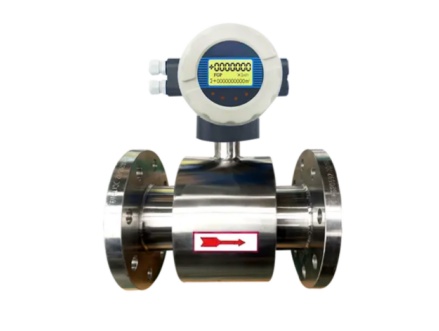
In many industries, from water treatment to chemical processing, accurate flow measurement is crucial for maintaining efficiency, quality, and safety. One of the most reliable and accurate instruments used to measure the flow of conductive liquids or slurries is the electromagnetic flow meter. At Jiangsu Haikin Technology Co., Ltd., we specialize in providing cutting-edge flow measurement solutions that ensure optimal performance and compliance across various industries.
But how exactly does an electromagnetic flow meter work? These devices leverage the principles of electromagnetism to provide highly accurate, non-invasive flow measurements. In this article, we will explore the working principles behind electromagnetic flow meters, their benefits, and how they are used in different applications. Whether you're new to flow measurement technology or looking to enhance your current systems, this guide will help you understand the fundamentals of electromagnetic flow meters.
An electromagnetic flow meter (often called magmeter) is a device that measures the flow rate of conductive liquids and slurries. Unlike traditional mechanical flow meters, which rely on moving parts, electromagnetic flow meters operate on the principle of electromagnetic induction, providing a non-intrusive, maintenance-free, and highly accurate way to measure flow.
The basic operation of an electromagnetic flow meter is based on Faraday's Law of Induction, which states that a voltage is induced when a conductor moves through a magnetic field. This induced voltage is directly proportional to the velocity of the fluid. The flow meter uses this principle to calculate the flow rate of the liquid or slurry passing through the sensor.
Component | Function |
Electromagnetic coil | Generates a magnetic field that interacts with the fluid |
Electrodes | Detects the voltage induced by the moving conductive fluid |
Flow tube | The pipe through which the liquid flows, where measurement occurs |
Signal processor | Converts the voltage signal into a readable flow measurement |
This straightforward setup allows for accurate and consistent flow measurements without the need for moving parts, which can be prone to wear and tear.
1. Generation of Magnetic Field
The electromagnetic flow meter contains a set of coils that generate a magnetic field within the flow tube. This magnetic field interacts with the conductive liquid passing through the tube.
2. Induction of Voltage
According to Faraday's Law, as the conductive liquid moves through the magnetic field, a voltage is induced perpendicular to both the magnetic field and the direction of flow. The faster the liquid moves, the higher the induced voltage.
3. Voltage Detection
Two electrodes, located at opposite sides of the flow tube, detect the induced voltage. These electrodes are in direct contact with the fluid and measure the voltage generated by the moving liquid.
4. Signal Conversion
The voltage signal detected by the electrodes is proportional to the flow rate of the liquid. A signal processor converts this voltage into a readable flow measurement, which is then displayed on a monitoring device.
· Non-intrusive measurement: No moving parts, reducing maintenance and wear.
· Accuracy: Provides highly accurate flow measurements, even in fluctuating conditions.
· Suitable for various fluids: Works for a wide range of liquids, including clean water, slurries, and chemicals.
· Versatile: Can be used in pipes of various diameters.
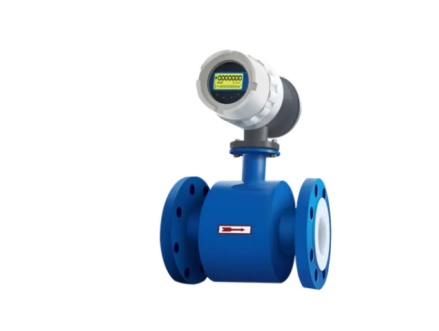
Electromagnetic flow meters are essential tools for industries that require precise and reliable flow measurement, especially for conductive liquids. Their ability to measure flow without obstructing the fluid makes them a go-to solution in a wide variety of sectors. Below are some of the primary applications of electromagnetic flow meters, showcasing their versatility and importance in different industries.
In water treatment facilities, electromagnetic flow meters are critical for monitoring the flow of water, sewage, and chemicals during various stages of water purification. These systems help in managing the amount of water being processed, ensuring proper flow rates, and maintaining compliance with regulatory standards.
Key roles in water treatment include:
· Flow monitoring of incoming and outgoing water to ensure appropriate treatment processes are followed.
· Measurement of chemical additives that are used in coagulation, filtration, and disinfection processes.
· Preventing overuse of chemicals by accurately controlling their flow, reducing costs, and improving water quality.
Because of their high accuracy and lack of moving parts, electromagnetic flow meters are ideal for these environments, ensuring minimal maintenance while maintaining consistent, reliable performance.
In the chemical industry, controlling the flow of various chemicals is paramount for product quality, safety, and efficiency. Electromagnetic flow meters offer precise measurement, even in hazardous or corrosive environments. They are used extensively in applications such as mixing, batch processing, and continuous chemical production.
Examples of usage include:
· Accurate flow measurement of acids, bases, and solvents, which is essential to maintain precise concentrations and reaction conditions.
· Monitoring hazardous liquid flow in safe, non-invasive ways, minimizing the risk of chemical spills or leaks.
· Ensuring safety by providing consistent data to control hazardous reactions in real-time.
Electromagnetic flow meters are ideal for this industry because of their ability to measure a wide range of chemicals without contacting the fluid directly, ensuring minimal risk of contamination or equipment degradation.
In the food and beverage industry, electromagnetic flow meters are used to measure the flow of liquids such as milk, juices, syrups, and oils. These industries demand sanitary, reliable, and accurate measurement systems to ensure product quality and safety.
Applications include:
· Flow measurement of beverages and liquids to ensure consistent taste, texture, and quality across batches.
· Monitoring the flow of water and ingredients during production, improving efficiency in the manufacturing process.
· Sanitation compliance since electromagnetic flow meters are easy to clean and maintain, they meet strict hygiene standards without any moving parts to harbor bacteria or contaminants.
By choosing electromagnetic flow meters, food and beverage manufacturers can reduce the risk of contamination, optimize production, and improve overall process control.
In the oil and gas industry, especially in pipeline systems and refinery operations, electromagnetic flow meters are used to monitor the flow of crude oil, natural gas, and various chemicals. Accuracy and reliability are crucial in these environments due to the high value and safety risks associated with these substances.
Applications in this sector include:
· Flow measurement of crude oil and natural gas to ensure that pipelines operate within safe limits, preventing overpressure and optimizing delivery rates.
· Monitoring of chemical injection systems, which control the flow of additives to prevent corrosion or enhance fluid properties.
· Measuring the flow of refined products in refineries to ensure consistent production and distribution.
Electromagnetic flow meters are ideal in this sector because they offer non-invasive flow measurement, require minimal maintenance, and deliver accurate readings in highly demanding environments. Their ability to operate effectively in various pipe sizes and challenging conditions makes them invaluable in the oil and gas industry.
Electromagnetic flow meters offer a wide range of benefits, making them an excellent choice for industries requiring precise flow measurements.
One of the primary advantages of electromagnetic flow meters is that they have no moving parts. This feature reduces maintenance needs, extends the life of the device, and eliminates the wear and tear that can be common in traditional mechanical flow meters.
Electromagnetic flow meters are capable of providing highly accurate measurements, even in challenging conditions. The induced voltage is directly proportional to the flow velocity, ensuring reliable readings in fluctuating flow conditions.
Electromagnetic flow meters can measure the flow of a variety of liquids, including clean water, chemicals, slurries, and viscous liquids. This versatility makes them useful across industries, from water treatment to food processing.
Because there are no moving parts, electromagnetic flow meters require little to no maintenance. This makes them an ideal solution for environments where regular maintenance may be difficult or expensive.
An electromagnetic flow meter offers a reliable, efficient, and maintenance-friendly solution for measuring the flow of conductive liquids. From industrial water treatment to chemical processing and food manufacturing, these flow meters are essential for providing accurate flow measurements that help optimize operations and ensure safety. With no moving parts and high precision, they stand out as a top choice for industries seeking dependable performance and minimal downtime.
At Jiangsu Haikin Technology Co., Ltd., we are committed to providing innovative and cost-effective flow measurement solutions. If you’re looking for high-performance electromagnetic flow meters tailored to your needs, feel free to contact us for expert advice and customized solutions.
Electromagnetic flow meters can measure conductive liquids, including water, slurries, chemicals, and other liquids with electrical conductivity.
Yes, electromagnetic flow meters are available for a wide range of pipe sizes, from small pipelines to large industrial systems.
Electromagnetic flow meters provide high accuracy, with measurements typically within ±1% of the actual flow rate.
No, electromagnetic flow meters are designed to measure conductive fluids. Non-conductive fluids, such as oils or gases, require different types of flow meters.

