


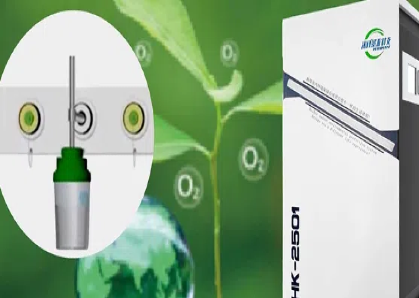
The importance of indoor environmental quality (IEQ) in educational and healthcare facilities cannot be overstated. Poor indoor air quality, inconsistent temperature control, and insufficient monitoring of environmental factors can negatively impact the health, productivity, and well-being of students, staff, and patients. To address these challenges, many institutions are turning to Smart Indoor Environmental Assurance Systems.
These systems integrate advanced sensors, automated controls, and real-time analytics to ensure optimal indoor conditions, promoting safety, comfort, and efficiency. This article explores the transformative impact of smart indoor environmental assurance systems on educational and healthcare facilities through real-world case studies.
A Smart Indoor Environmental Assurance System (SIEAS) is a comprehensive solution designed to monitor, control, and optimize the indoor environment. It goes beyond simple HVAC management, encompassing multiple parameters such as:
Air Quality: Levels of CO2, particulate matter (PM2.5, PM10), VOCs, and humidity.
Temperature and Humidity: Maintaining comfortable conditions while improving energy efficiency.
Lighting and Noise Levels: Ensuring environments conducive to learning, work, or recovery.
Energy Management: Monitoring and controlling energy use to reduce waste.
Through IoT-enabled sensors, cloud-based analytics, and automated control systems, SIEAS allows facility managers to proactively manage indoor environments and respond to issues in real time.
At a large urban high school, administrators noticed declining student performance and increased absenteeism, which were traced to poor indoor air quality and inconsistent classroom temperatures. Implementing a Smart Indoor Environmental Assurance System provided:
Real-Time Air Quality Monitoring: Sensors tracked CO2 levels, humidity, and particulate matter in each classroom.
Automated HVAC Control: Ventilation systems were adjusted automatically based on occupancy and air quality readings.
Data-Driven Insights: Facility managers received actionable reports on environmental conditions, enabling proactive maintenance and adjustments.
CO2 levels were maintained below 1,000 ppm, reducing fatigue and improving concentration.
Energy consumption dropped by 15% due to optimized ventilation schedules.
Student engagement and attendance improved, demonstrating the direct link between indoor environmental quality and learning outcomes.
Beyond comfort, schools also face regulatory requirements for indoor air quality and safety. The system provided:
Continuous compliance monitoring for air quality standards.
Alerts for maintenance issues, such as clogged filters or malfunctioning equipment.
Integration with school management systems for reporting and audit purposes.
This proactive approach not only enhanced student well-being but also reduced administrative burdens related to compliance.
In a mid-sized hospital, patients in recovery wards experienced longer-than-average recovery times and higher incidences of respiratory irritation. A Smart Indoor Environmental Assurance System was installed to monitor and regulate:
Airborne Particulates: Reducing dust, allergens, and microbial contaminants.
Temperature and Humidity: Ensuring stable, comfortable conditions conducive to healing.
Ventilation Effectiveness: Adjusting airflow in patient rooms to minimize the spread of airborne pathogens.
Post-implementation surveys indicated a 25% reduction in patient complaints related to comfort.
Infection control improved due to better air circulation and filtration.
Staff reported enhanced productivity and morale, as work environments became more consistent and predictable.
The SIEAS also provided hospital administrators with actionable data:
Automated maintenance reminders for air filters, HVAC units, and sensors.
Energy optimization strategies that lowered operational costs without compromising patient comfort.
Remote monitoring capabilities, enabling facility managers to oversee multiple wards from a centralized dashboard.
This combination of health benefits and operational efficiency demonstrated how smart environmental systems can provide measurable ROI for healthcare institutions.
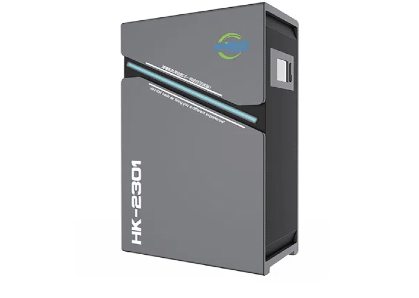
From the case studies of educational and healthcare facilities, the advantages of implementing a Smart Indoor Environmental Assurance System (SIEAS) are clear. These systems do not just maintain environmental comfort—they actively improve health, efficiency, and operational performance. Below is a detailed exploration of the key benefits:
Maintaining optimal indoor air quality, temperature, and humidity is crucial for the well-being of students, patients, and staff. Poor air quality can lead to respiratory problems, fatigue, headaches, and even long-term health issues. A smart environmental system helps:
Reduce airborne contaminants: By monitoring and controlling particulate matter, CO2, and VOC levels, the system minimizes exposure to allergens and harmful substances.
Prevent discomfort and illness: Stable temperature and humidity levels create comfortable indoor environments that support physical health and reduce absenteeism.
Promote infection control: In healthcare facilities, consistent airflow and filtration reduce the risk of airborne pathogen transmission, protecting both patients and staff.
This proactive approach to indoor health helps create safer, more supportive environments in classrooms, hospitals, and other critical facilities.
Indoor environmental conditions directly affect cognitive function, concentration, and overall productivity. In educational facilities:
Students perform better in environments where CO2 levels are controlled and temperature and lighting are optimal.
Consistent comfort improves attention span, reduces fatigue, and supports better engagement in classroom activities.
In healthcare settings:
Staff efficiency increases as comfortable working conditions reduce stress and fatigue.
Patients experience faster recovery times when environments are conducive to rest and well-being.
By optimizing indoor conditions, SIEAS contributes to measurable improvements in both learning outcomes and operational performance.
One of the standout benefits of smart environmental systems is their ability to optimize energy usage while maintaining ideal conditions:
Automated control adjusts HVAC, lighting, and ventilation in real time based on occupancy and environmental data.
Data-driven insights identify inefficiencies and allow facility managers to implement energy-saving strategies.
Reduced wear and tear on equipment extends the lifespan of HVAC systems, lighting, and filters, lowering maintenance costs.
This integration of environmental control and energy management ensures cost-effective operations without compromising comfort or safety.
Educational and healthcare facilities must meet strict standards for air quality, safety, and accessibility. Smart indoor environmental systems help:
Ensure compliance with local and international air quality standards.
Provide real-time monitoring and alerts for environmental anomalies or maintenance issues.
Mitigate risks associated with poor indoor air quality, such as legal liabilities, staff complaints, or patient dissatisfaction.
Continuous monitoring and automated reporting make it easier for facilities to demonstrate compliance and maintain a safe, healthy environment for occupants.
Modern SIEAS solutions are equipped with IoT-enabled sensors and analytics dashboards, allowing facility managers to make informed, proactive decisions:
Real-time analytics help identify environmental trends and potential issues before they escalate.
Data supports strategic interventions, such as adjusting ventilation schedules or optimizing occupancy patterns.
Historical data provides insights for long-term planning, including upgrades, retrofits, or expansion projects.
By leveraging this data-driven approach, facilities can optimize performance, improve occupant satisfaction, and achieve long-term operational efficiency.
Beyond immediate operational benefits, smart indoor environmental systems support green building practices:
Efficient energy use reduces carbon footprints and supports sustainability goals.
Reduced waste and better resource management contribute to environmentally responsible operations.
Integration with renewable energy sources and smart grids further enhances a facility’s sustainability profile.
This combination of energy efficiency, cost savings, and environmental responsibility demonstrates that SIEAS is not just a technological investment—it is a strategic choice for sustainable facility management.
Smart Indoor Environmental Assurance Systems are transforming educational and healthcare facilities by providing precise, real-time control of indoor environments. These systems improve health, comfort, productivity, and operational efficiency, demonstrating a clear return on investment for institutions that adopt them.
For facilities seeking to implement cutting-edge solutions for indoor environmental management, Jiangsu Haikin Technology Co., Ltd. offers a range of advanced systems designed to meet diverse requirements. Their solutions integrate advanced sensors, automated controls, and analytics to ensure safe, comfortable, and efficient indoor environments. Explore their products, consult with their experts, and find the ideal system to enhance the quality and efficiency of your educational or healthcare facility.

